
Stir-frying veggies and pan-frying meat? No culinary battle here; it’s all about harmony and flavor when making homemade gyoza! These crispy juicy Japanese dumplings not only elevate your dinner but also come together with ease, making them the perfect alternative to fast food. With this recipe, you can customize the filling to fit any taste preference while enjoying all the mouthwatering textures that these dumplings offer. Whether you serve them as a delightful appetizer or a satisfying main dish, they’ll undoubtedly impress your friends and family. Ready to wrap things up in the kitchen? Let’s dive into creating these delightful dumplings from scratch!
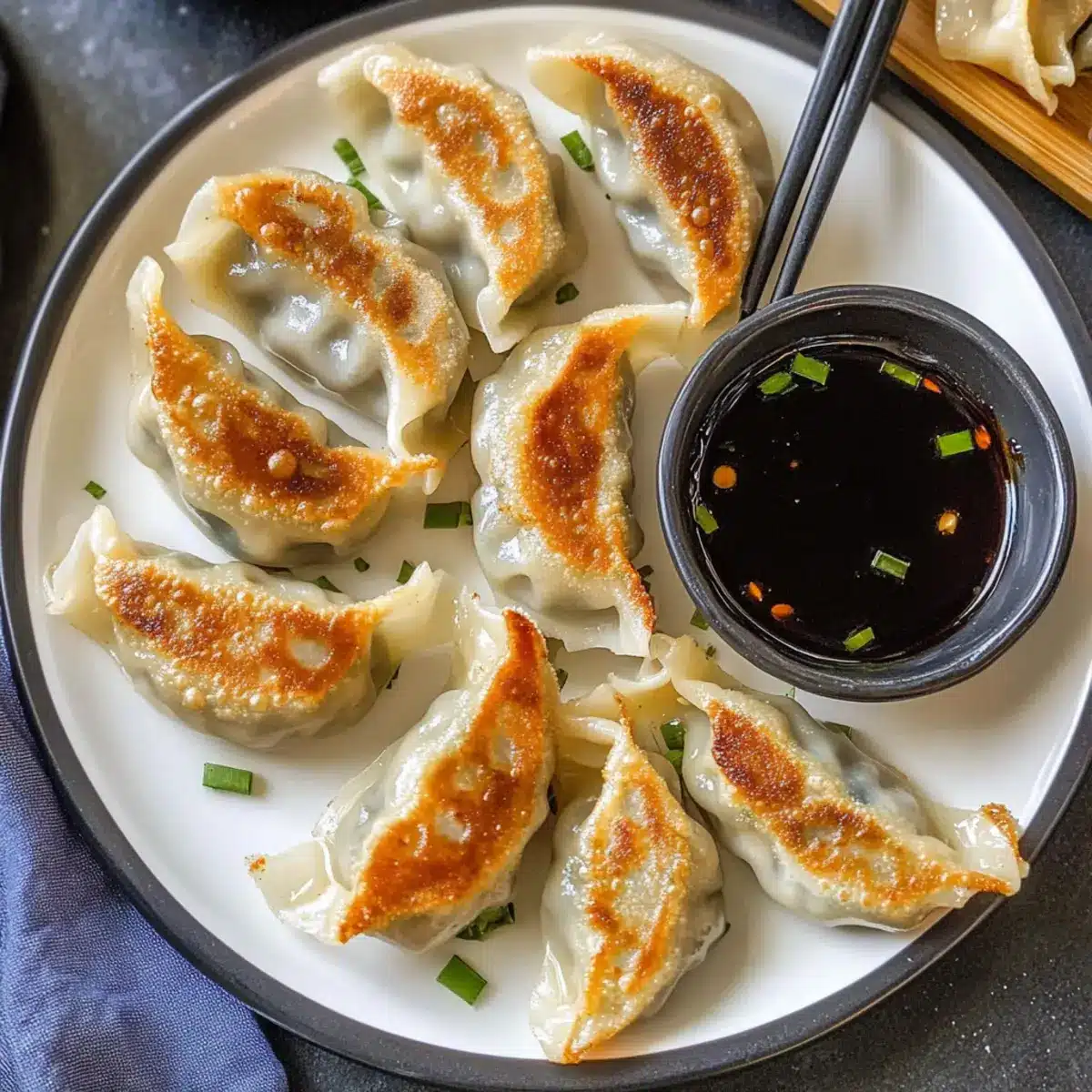
Why are these Japanese Dumplings a must-try?
Authentic Flavor: These homemade gyoza deliver an unforgettable taste of Japan, surpassing any takeout.
Crispy Perfection: Enjoy the perfect balance of a crunchy bottom and tender top that makes every bite a delight.
Customizable Fillings: Tailor your gyoza to suit any palate—try ground beef, pork, or even a veggie blend!
Quick to Make: With straightforward steps, you’ll have a delicious meal ready in no time.
Crowd-Pleasing Appeal: Perfect for parties or family dinners, these dumplings guarantee smiles around the table!
For more creative inspirations, check out our Japanese Katsu Bowls that can complement any Asian-themed meal.
Japanese Dumpling Ingredients
• The key to delicious homemade Japanese dumplings lies in fresh, quality ingredients!
For the Filling
- Wonton Wrappers – Essential for creating the dumpling’s exterior; opt for thin wrappers for the best texture.
- Ground Turkey – Main protein choice for the filling; can easily swap for lean ground beef, pork, or chicken to suit your taste.
- Green Onions – Introduce a fresh flavor and slight crunch; perfect for adding a pop of color as well!
- Cabbage – Contributes moisture and texture; using pre-shredded coleslaw mix can save you prep time.
- Garlic Cloves – A must for flavor; freshly pressed garlic enhances the overall taste experience.
- Sesame Oil – Delivers a nutty aroma and depth to the filling, enhancing the flavor profile of your gyoza.
- Soy Sauce – This key seasoning enhances umami flavors, lending authenticity to your Japanese dumplings.
- Salt and Black Pepper – Simple seasonings that elevate taste; feel free to adjust to your preference.
For Cooking
- Oil (for pan-frying) – Necessary for preventing sticking and achieving that lovely crispiness.
- Water – Vital for steaming the gyoza once pan-fried; creates a perfectly cooked dumpling.
With these ingredients on hand, you’re just a few steps away from enjoying homemade Japanese dumplings that are sure to impress everyone gathering around your dinner table!
Step‑by‑Step Instructions for Crispy Juicy Gyoza Dumplings
Step 1: Prepare the Filling
In a large mixing bowl, combine the ground turkey, finely chopped green onions, shredded cabbage, and pressed garlic. Add sesame oil, soy sauce, salt, and black pepper to the mixture for seasoning. Use your hands or a spoon to mix everything thoroughly until the ingredients are evenly distributed. This flavorful filling will be the star of your Japanese dumplings!
Step 2: Assemble the Gyoza
Take a wonton wrapper and place a spoonful of the filling in the center. Lightly brush the edges with water to help seal them. Fold the wrapper over the filling into a half-moon shape, pressing the edges to close fully. To create a decorative pleat, pinch and fold the edges together as you seal, ensuring none of the filling escapes. Repeat with the remaining wrappers and filling.
Step 3: Arrange for Cooking
Carefully arrange the filled gyoza on a clean baking sheet, ensuring they are spaced apart to prevent sticking. This will allow you to pan-fry them efficiently later. You can cover the gyoza with a damp cloth to keep them moist while you heat up your skillet, ensuring they stay fresh until it’s time to cook up your delicious Japanese dumplings.
Step 4: Pan-Fry the Gyoza
Heat a large skillet over medium-high heat and add a drizzle of oil to coat the bottom. Once the oil is shimmering, gently place the gyoza in the skillet, ensuring they don’t touch. Pan-fry for about 3 minutes or until the bottoms are golden brown and crispy. This step locks in the texture that makes these gyoza so delightful!
Step 5: Steam the Dumplings
Once the bottoms are crispy, pour in 1/4 cup of water into the skillet and quickly cover it with a lid. The water will create steam, cooking the tops of the gyoza while keeping them moist. Allow them to steam for 3-4 minutes, or until the water is evaporated and the filling is cooked through. You’ll know they’re ready when the tops are slightly translucent and cooked fully.
Step 6: Serve and Enjoy
Remove the gyoza from the skillet carefully using a spatula, placing them on a serving platters. These crispy juicy gyoza dumplings are best served warm; pair them with your favorite dipping sauce made from soy sauce, sesame oil, and grated ginger. You’re ready to enjoy your homemade Japanese dumplings with family and friends!
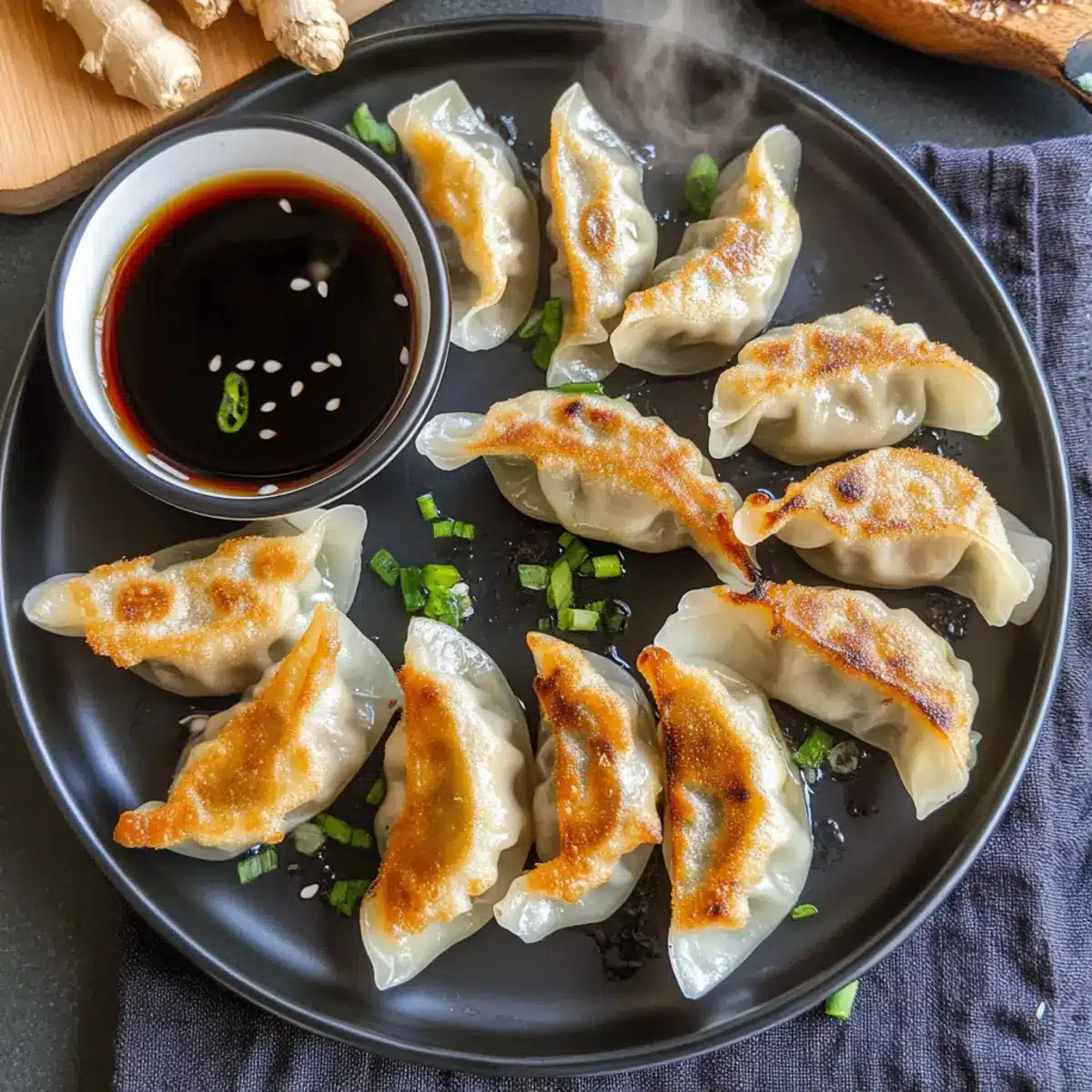
Tips for the Best Gyoza
Perfect Wrapping: Ensure you use enough water when sealing your gyoza. This prevents them from coming apart during cooking.
Heat Control: Keep your skillet at medium-high heat to achieve a golden crust without burning the bottoms of your Japanese dumplings.
Moisture Management: Don’t skip the steaming step! It makes a world of difference in ensuring the filling is fully cooked and juicy.
Experiment with Fillings: Don’t hesitate to try different proteins or veggies in your filling! This customization lets you enjoy a variety of flavors in your gyoza.
Storing Tips: If you have leftovers or want to make them ahead, freeze the un-cooked gyoza in a single layer before transferring them to a bag. Enjoy them anytime!
Serving Style: Always serve gyoza hot and fresh! A homemade dipping sauce of soy sauce mixed with sesame oil and ginger amplifies their flavor beautifully.
How to Store and Freeze Japanese Dumplings
Fridge: Store cooked gyoza in an airtight container for up to 3 days. Reheat in a skillet over medium heat to restore some crispness.
Freezer: For uncooked gyoza, freeze them on a baking sheet until solid, then transfer to a freezer-safe bag for up to 3 months. Cook directly from frozen, adding a few extra minutes to the cooking time.
Reheating: If you have leftovers, reheat cooked gyoza in a skillet with a little oil to regain their crispy texture. Avoid microwaving, as it can make them soggy.
Make-Ahead: Prepare gyoza in advance and freeze them for a convenient homemade meal option. These delicious Japanese dumplings are perfect for quick dinners!
Japanese Dumplings: Exciting Variations
Feel free to play with the flavors in your gyoza to make them uniquely yours and delightfully delicious!
-
Ground Chicken: Switch the ground turkey for chicken for a leaner alternative; it adds a slightly different flavor.
You can even mix in some finely chopped vegetables to enhance the filling. -
Vegetarian Delight: Substitute the meat with a mix of mushrooms, tofu, and your favorite vegetables for a vegetarian version.
The umami flavor from mushrooms makes this option just as satisfying! -
Spicy Kick: Add a touch of sriracha or chili flakes to the filling for a spicy twist that elevates the heat level.
Pair with a cooling dipping sauce to balance the flavors. -
Seafood Twist: Try using shrimp or a seafood medley with ground pork for a fresh take on traditional gyoza.
The sweetness of the seafood pairs beautifully with the savory filling. -
Herbed Infusion: Experiment with fresh herbs like cilantro or basil in your filling for an aromatic touch.
Their flavor will transport you straight to a vibrant Asian market! -
Sautéed Veggies: Boost the filling’s texture and nutrients by adding sautéed bell peppers, carrots, or zucchini.
The added crunch will create an enjoyable contrast with the tender dumplings. -
Crispy Gyoza Bites: For a fun twist, use small dumpling wrappers to create mini gyoza bites, perfect for appetizers.
They’re great for parties and offer a delightful surprise with every bite! -
Fusion Flavor: Combine elements from different cuisines by adding kimchi or curry spices into the filling for a unique fusion experience.
It’s a delightful way to embrace creativity in your cooking!
For more inspiration, you might want to explore our delicious recipe for Japanese Katsu Bowls, where you can also dive into bold flavors and perfect pairings!
Make Ahead Options
These delicious homemade Japanese dumplings are perfect for meal prep, saving you time on busy weeknights! You can prepare the filling and assemble the gyoza up to 24 hours in advance. Simply follow the recipe steps for making the filling, then seal the gyoza and place them on a baking sheet. Cover with plastic wrap and refrigerate to maintain quality. For even longer storage, freeze the uncooked gyoza in a single layer before transferring to a freezer-safe bag, where they can last up to 3 months. When you’re ready to serve, pan-fry directly from frozen, adding a few extra minutes to the cooking time for perfectly crispy and juicy Japanese dumplings. Enjoy the convenience without sacrificing flavor!
What to Serve with Crispy Juicy Gyoza Dumplings
What complements the delightful layers of flavor in these homemade dumplings?
-
Soy Dipping Sauce: This classic combination adds a savory kick that enhances the umami taste of gyoza. A mixture of soy sauce, sesame oil, and grated ginger works wonders!
-
Asian Slaw: This crunchy, tangy salad of cabbage and carrots mirrors the freshness of the gyoza filling. It’s light and refreshing, balancing the rich flavors beautifully.
-
Steamed Jasmine Rice: Fluffy, aromatic rice is a great base for gyoza, soaking up excess sauce and providing a comforting texture in every bite.
-
Miso Soup: A warm bowl of miso soup delivers umami-packed goodness, creating a comforting side that’s perfect for a hearty meal. Plus, it’s great for dipping too!
-
Edamame Beans: Lightly salted edamame adds a delightful crunch and protein boost, making for an enjoyable side that keeps the meal satisfying.
-
Sake or Green Tea: Pair your feast with a light sake or a refreshing glass of hot green tea. Both drinks enhance the savory notes, creating a complete dining experience.
-
Tempura Vegetables: Add a touch of crispy delight with some tempura vegetables. Their light batter captures flavors while providing varied textures alongside your gyoza.
Enhance your dining experience by mixing and matching these sides, tailoring a feast that celebrates the flavors of Japan!
Japanese Dumplings Recipe FAQs
What type of wonton wrappers should I use for gyoza?
Absolutely! For the best gyoza, look for thin, round wonton wrappers specifically labeled for dumpling use. They provide the perfect chewiness and crispiness when cooked. Fresh wrappers are usually available in the refrigerated section of Asian grocery stores.
How do I store leftover gyoza?
Cooked gyoza can be stored in an airtight container in the refrigerator for up to 3 days. To reheat, pan-fry them in a lightly oiled skillet over medium heat, ensuring they regain that delightful crispiness. Avoid microwaving, as this can lead to soggy dumplings.
Can I freeze gyoza, and if so, how?
Yes, you can freeze gyoza! Lay them out on a baking sheet in a single layer and place it in the freezer until they are solid—usually about 1 to 2 hours. After freezing, transfer the gyoza to a freezer-safe bag, ensuring to remove excess air. They can stay fresh for up to 3 months. When ready to cook, prepare them from frozen, adding 3-4 extra minutes to the cooking time.
What if my gyoza filling is too wet?
Very! A wet filling can lead to soggy dumplings. If you find your mixture is too runny, add in a small amount of cornstarch or breadcrumbs to help absorb some moisture. Alternatively, allow the filling to sit for about 30 minutes, which can also help it firm up before wrapping.
Are gyoza safe for pets or people with allergies?
Gyoza can be a tasty indulgence for humans, but they aren’t suitable for pets, especially if the filling contains garlic or onions as these can be toxic to dogs and cats. Additionally, pay attention to any ingredient allergies. You can easily customize the filling for dietary restrictions; for instance, use gluten-free wrappers or a veggie mix for those avoiding meat.
How do I know my gyoza filling is cooked?
To ensure your gyoza filling is fully cooked, make sure juices run clear when you pierce one with a fork or knife. If unsure, you can always cook one gyoza first before the batch to check doneness. If it’s not fully cooked, just steam them a minute or two longer. This approach is a great way to test while keeping the rest warm!

Delicious Homemade Japanese Dumplings with Crispy Perfection
Ingredients
Equipment
Method
- In a large mixing bowl, combine the ground turkey, finely chopped green onions, shredded cabbage, and pressed garlic. Add sesame oil, soy sauce, salt, and black pepper. Mix thoroughly.
- Take a wonton wrapper and place a spoonful of the filling in the center. Brush edges with water and fold into a half-moon shape, sealing completely.
- Arrange the filled gyoza on a baking sheet, spaced apart. Cover with a damp cloth while heating the skillet.
- Heat a skillet over medium-high heat and add oil. Once shimmering, pan-fry gyoza for 3 minutes until bottoms are golden brown.
- Pour in 1/4 cup of water and cover with a lid. Steam for 3-4 minutes until water evaporates and tops are translucent.
- Remove gyoza from skillet using a spatula and place on serving platters. Serve warm with dipping sauce.
Leave a Reply