
As the first chill of winter settles in, there’s nothing quite like a steaming bowl of Korean Winter Soup to wrap you in warmth and comfort. This Tasty Korean Winter Soup combines tender beef, soft tofu, and a rainbow of vegetables, creating a nourishing experience that dances on your taste buds. The delightful aroma that fills your kitchen as it simmers not only beckons your family to the table but also evokes cozy memories of home. With its quick preparation and the ability to easily modify for vegetarian diets, this soup is the ultimate go-to for hectic weeknights or quiet weekends. So, grab your ingredients and let’s explore how to create a dish that warms both the heart and soul. Are you ready to dive into this comforting bowl of goodness?
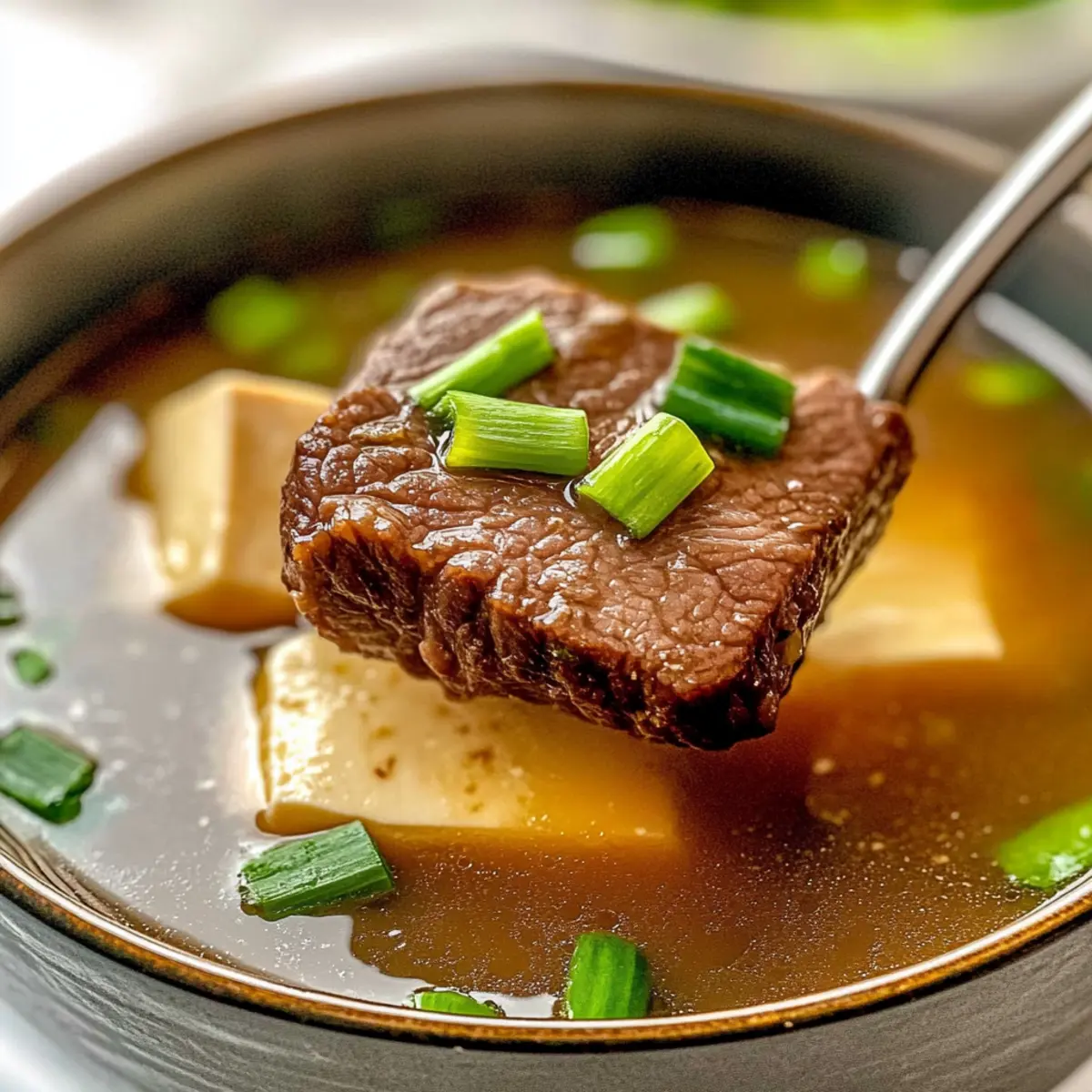
Why Is Korean Winter Soup So Special?
Comforting warmth: This Korean Winter Soup wraps you in a cozy embrace, perfect for battling chilly evenings.
Nourishing and hearty: Packed with tender beef and creamy tofu, it’s a delicious way to enjoy a meal that fills the soul.
Flavors that pop: The vibrant veggies and aromatic seasonings create a delightful medley that delights the palate.
Easily adaptable: Want a vegetarian option? Substitute with portobello mushrooms for the same satisfying experience!
Quick and easy: Ideal for busy weeknights, this soup comes together with minimal fuss, allowing you more time to savor each spoonful.
Perfectly paired with a side of kimchi, this dish is not just a meal but an experience—just like the comforting essence of Potsticker Soup Comforting.
Korean Winter Soup Ingredients
For the Broth
• Beef Short Ribs – Offers a rich, beefy flavor that makes the soup hearty; you can substitute with beef shank for a similar result.
• Guk Ganjang (Korean Soup Soy Sauce) – Essential for authentic taste; substitute with tamari for a gluten-free option.
• Aromatics (Onion, Ginger, Garlic, Green Onions) – Creates a fragrant base; don’t skip these for maximum flavor!
For the Vegetables
• Tofu – Delivers creaminess and protein; choose soft tofu for the best texture, or omit for a lighter version.
• Korean Leek (or Regular Leeks) – Adds depth to the broth; if unavailable, substitute with green onions.
• Daikon Radish – Infuses sweetness to the soup; it’s critical for balancing flavors and enhancing the broth.
Optional Additions
• Portobello Mushrooms – Perfect for a vegetarian twist, providing the heartiness of beef without the meat.
• Bok Choy or Spinach – Add these vibrant greens for extra nutrients and freshness; they cook quickly and retain great texture.
• Root Vegetables (like Carrots) – Swap daikon with carrots for a sweeter flavor profile that kids will love.
This Korean Winter Soup is designed to not just nourish, but to spark joy in every bowl!
Step‑by‑Step Instructions for Korean Winter Soup
Step 1: Soak the Beef
Begin by soaking the beef short ribs in cold water for about 1 hour. This process will help draw out the blood and impurities, ensuring a clean broth. If you prefer a quicker method, you can flash boil the ribs for a few minutes, then discard the water before proceeding to the next steps.
Step 2: Prepare Aromatics
While the beef is soaking, prepare your aromatics. Cut the yellow onion with the skin on for extra flavor, slice the ginger thinly, and chop the garlic finely. Also, get your green onions ready, as these will enhance the aromatic profile of your Korean Winter Soup. These ingredients are crucial for building a rich base.
Step 3: Combine Ingredients in Pot
In a large stock pot, combine the soaked beef short ribs, prepared ginger, green onion, yellow onion, and 10 cups of water. Place the pot over high heat and bring it to a vigorous boil. As it heats up, enjoy the inviting aroma of your ingredients melding together, setting the stage for a comforting bowl of soup.
Step 4: Skim the Foam
Once boiling, reduce the heat to medium and carefully skim off any foam that rises to the surface. This step is essential for achieving a clear broth, which will elevate the presentation and taste of your Korean Winter Soup. Continue to monitor the broth closely for the next steps.
Step 5: Simmer the Broth
Lower the heat to medium-low and let the soup simmer uncovered for approximately 1 hour. During this time, keep skimming foam off the surface as necessary. You’ll know it’s ready when the beef is tender and falls off the bone easily, infusing the broth with rich flavors.
Step 6: Add Daikon Radish
After an hour, add the sliced daikon radish to the pot and continue simmering for another 20 minutes until the radish is soft. This ingredient adds a subtly sweet and earthy flavor to your Korean Winter Soup, complementing the rich beef broth beautifully.
Step 7: Season the Broth
Once the daikon is tender, discard all the aromatics from the pot. Now it’s time to seed the broth with guk ganjang and sea salt, stirring gently as it simmers for another 10 minutes. This final seasoning will deepen the flavor and authenticity of your comforting Korean Winter Soup.
Step 8: Garnish and Serve
Before serving, garnish the soup with freshly sliced green onions and a sprinkle of black pepper for a pop of freshness. Ladle the hot soup into bowls and pair it with rice and kimchi for a complete meal experience. Enjoy the comforting warmth and rich flavors of your Korean Winter Soup!
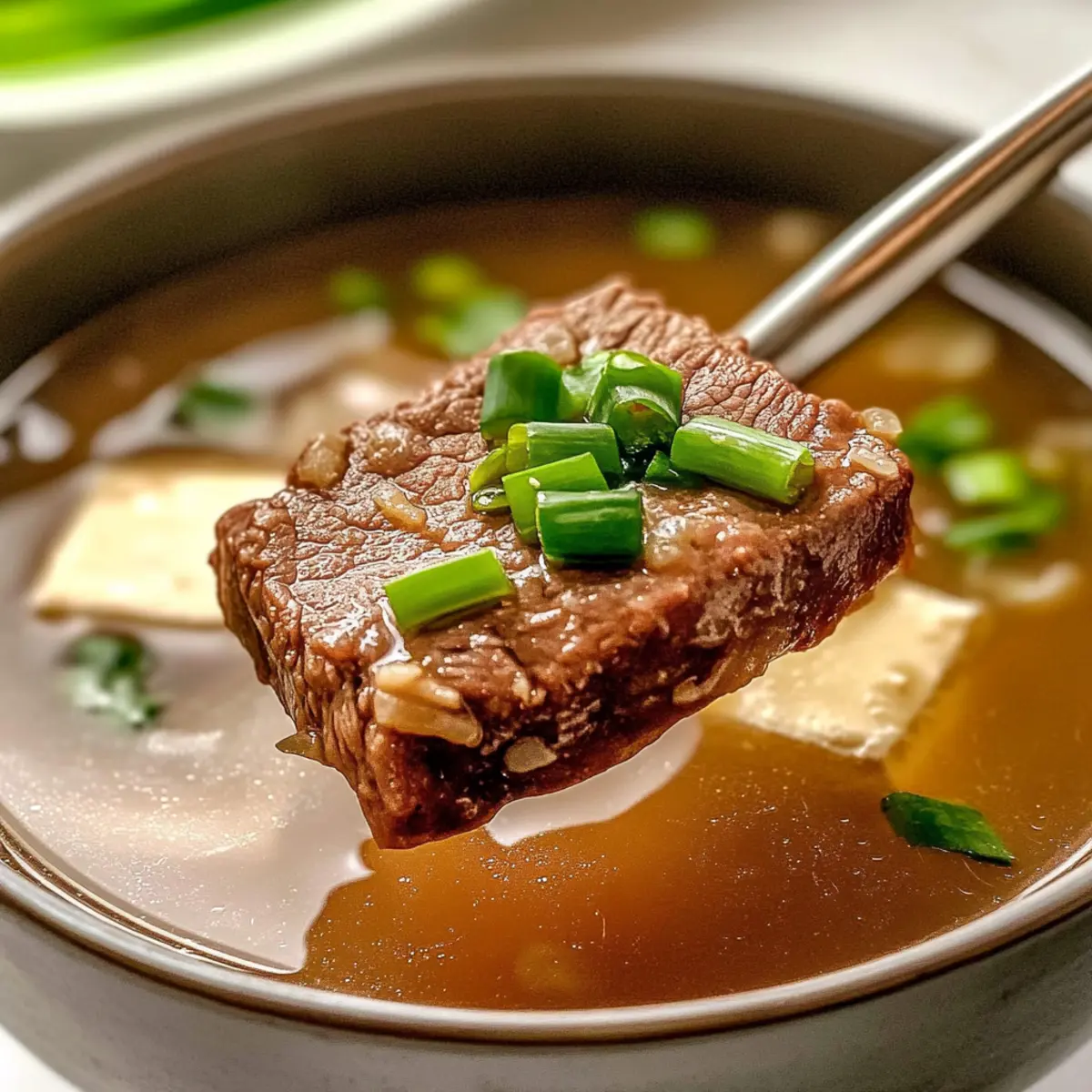
Expert Tips for Korean Winter Soup
- Foam Skimming: Make sure to skim off foam regularly during boiling; this essential step ensures a clear and clean broth for your Korean Winter Soup.
- Seasoning Check: Always taste and adjust seasoning before serving. Adding salt gradually allows you to achieve just the right flavor balance.
- Vegetable Swap: If you don’t have daikon radish, feel free to replace it with carrots for a sweeter addition that kids will love.
- Creamy Texture: For extra creaminess, don’t shy away from using soft tofu; it will soak up the delicious flavors of the broth beautifully.
- Storage Advice: Leftovers can be refrigerated for up to 3 days or frozen for 3 months, making this dish perfect for meal prep!
What to Serve with Comforting Korean Winter Soup?
Imagine a cozy gathering around the table, delighting in a warm bowl of savory flavors and heartwarming textures.
- Steamed Rice: A classic pairing that soaks up the flavorful broth, elevating each spoonful of soup into a wholesome meal.
- Spicy Kimchi: The tangy heat of kimchi contrasts beautifully with the soup’s richness, offering a delightful zing with every bite.
- Savory Pancakes (Pajeon): These crispy, savory pancakes add a crunchy element that perfectly complements the soup’s tenderness. They can also be filled with your choice of veggies or seafood for added flavor.
- Pickled Vegetables: A plate of pickled cucumbers or radishes provides a refreshing crunch and acidity, balancing the comforting warmth of the soup.
- Sesame Spinach Salad: This salad adds lightness and a nutty flavor, creating an inviting contrast that enhances the overall dining experience.
- Fruity Soju Cocktail: A chilled soju cocktail with a splash of fruit juice adds a fun twist, making it a perfect pairing for a cozy night in!
- Sweet Potato Noodles: Tossed in a light soy sauce or sesame oil dressing, these noodles offer an unexpected yet delicious side dish to complement your Korean Winter Soup.
How to Store and Freeze Korean Winter Soup
Room Temperature: This soup is best enjoyed fresh, but if left out, consume within 2 hours to ensure food safety.
Fridge: Store Korean Winter Soup in an airtight container in the refrigerator for up to 3 days. Reheat on the stove over medium heat, stirring frequently.
Freezer: For longer storage, freeze the soup in individual portions for up to 3 months. Make sure to leave space in the container for expansion as it freezes.
Reheating: To reheat from frozen, thaw in the refrigerator overnight, then warm it gently on the stovetop until heated through. Enjoy the comfort of this Korean Winter Soup once more!
Korean Winter Soup Variations
Feel free to explore these delightful twists for your Korean Winter Soup and make it your own!
- Vegetarian Twist: Substitute beef with large portobello mushrooms or seitan for a hearty, plant-based alternative. This swap retains the rich, savory profile, while keeping it nourishing and delicious.
- Gluten-Free: Use tamari in place of guk ganjang for a gluten-free version that still captures the essence of authentic flavors. Your soup will be just as tasty without the gluten!
- Root Additions: Replace daikon radish with sweet carrots for a subtly sweeter flavor that kids will love. This change brings a comforting twist to the original recipe.
- Extra Veggies: Add bok choy or spinach towards the end of cooking for a vibrant pop of color and additional nutrients, enhancing both the flavor and texture of your soup.
- Spicy Kick: Feeling bold? Toss in a pinch of red pepper flakes or a splash of gochujang for a fiery twist, adding depth and excitement to every bite.
- Creamier Base: Want a silkier texture? Blend in some coconut milk or cream for a luxurious finish that complements the hearty broth perfectly.
- Herb Infusion: Enhance the aromatics by adding fresh herbs like cilantro or parsley just before serving, awakening your soup with fresh, bright flavors!
Each variation opens a new door to flavor, turning your winter evenings into a cozy culinary adventure. If you’re looking for other comforting recipes, consider trying Tortellini Soup Hearty or Roasted Poblano Soup for a delightful change of pace!
Make Ahead Options
These delightful Korean Winter Soup ingredients are perfect for meal prep enthusiasts! You can soak the beef short ribs and prepare the aromatics up to 24 hours in advance, refrigerating them separately to maintain freshness. Additionally, you can slice the daikon radish and keep it stored in an airtight container for up to 3 days before cooking. When you’re ready to enjoy your soup, simply combine the prepped ingredients in a stock pot, bring them to a boil, and follow the remaining steps. This ensures your soup is just as delicious with minimal effort, making it ideal for busy weeknights!
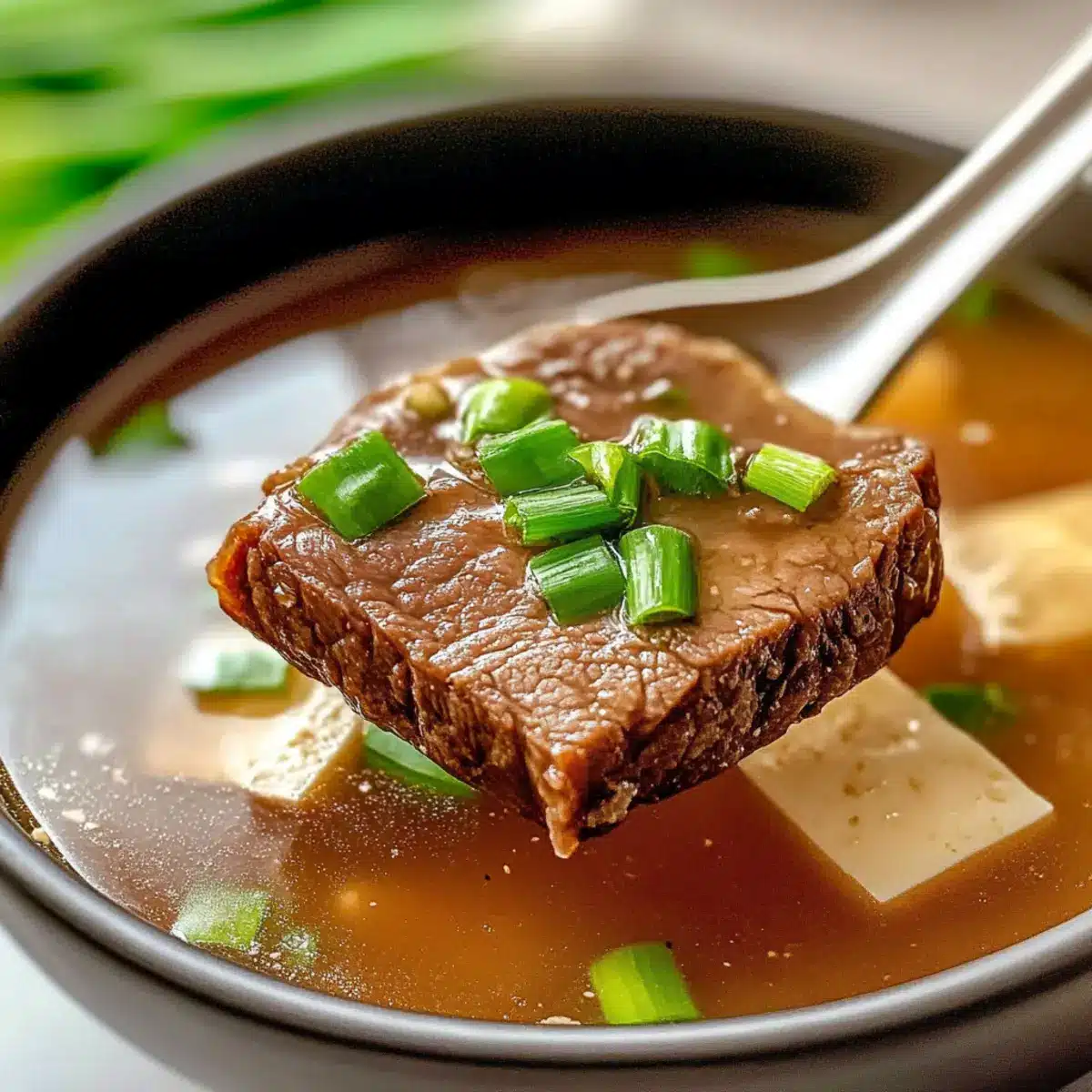
Korean Winter Soup Recipe FAQs
How do I choose the right beef for Korean Winter Soup?
Absolutely! For the best flavor, use beef short ribs which provide a rich, beefy taste. If you can’t find short ribs, beef shank or oxtail also works wonderfully. Look for meat with nice marbling, as the fat will render down during cooking, enriching the broth.
How should I store leftover Korean Winter Soup?
The soup can be stored in an airtight container in the refrigerator for up to 3 days. When reheating, place it on the stove over medium heat and stir frequently to prevent sticking, ensuring it warms evenly.
Can I freeze Korean Winter Soup?
Very! To freeze, allow the soup to cool completely, then portion it into airtight containers or freezer bags, leaving some space for the soup to expand. It can be frozen for up to 3 months. When ready to enjoy, thaw in the fridge overnight and reheat on the stove until hot.
What should I do if my broth is cloudy?
Don’t worry! Cloudiness can happen if impurities aren’t skimmed off properly. To fix this, simmer the broth gently for another few minutes, then let it sit so the sediment settles at the bottom. Carefully strain the liquid through a fine mesh sieve back into a pot for a clearer broth.
Is there a vegetarian version of Korean Winter Soup?
Absolutely! For a delightful vegetarian option, substitute beef with large portobello mushrooms or seitan. You can use vegetable broth instead of water and enhance the flavor with soy sauce or tamari. For added nutrition, include leafy greens like bok choy or spinach!
Can I use frozen ingredients in my Korean Winter Soup?
Sure! You can use frozen veggies and meats, but make sure to thaw them first to avoid excess water diluting the broth. If using frozen beef, be sure to give it enough time to defrost before adding it to your pot, ensuring even cooking and flavor.
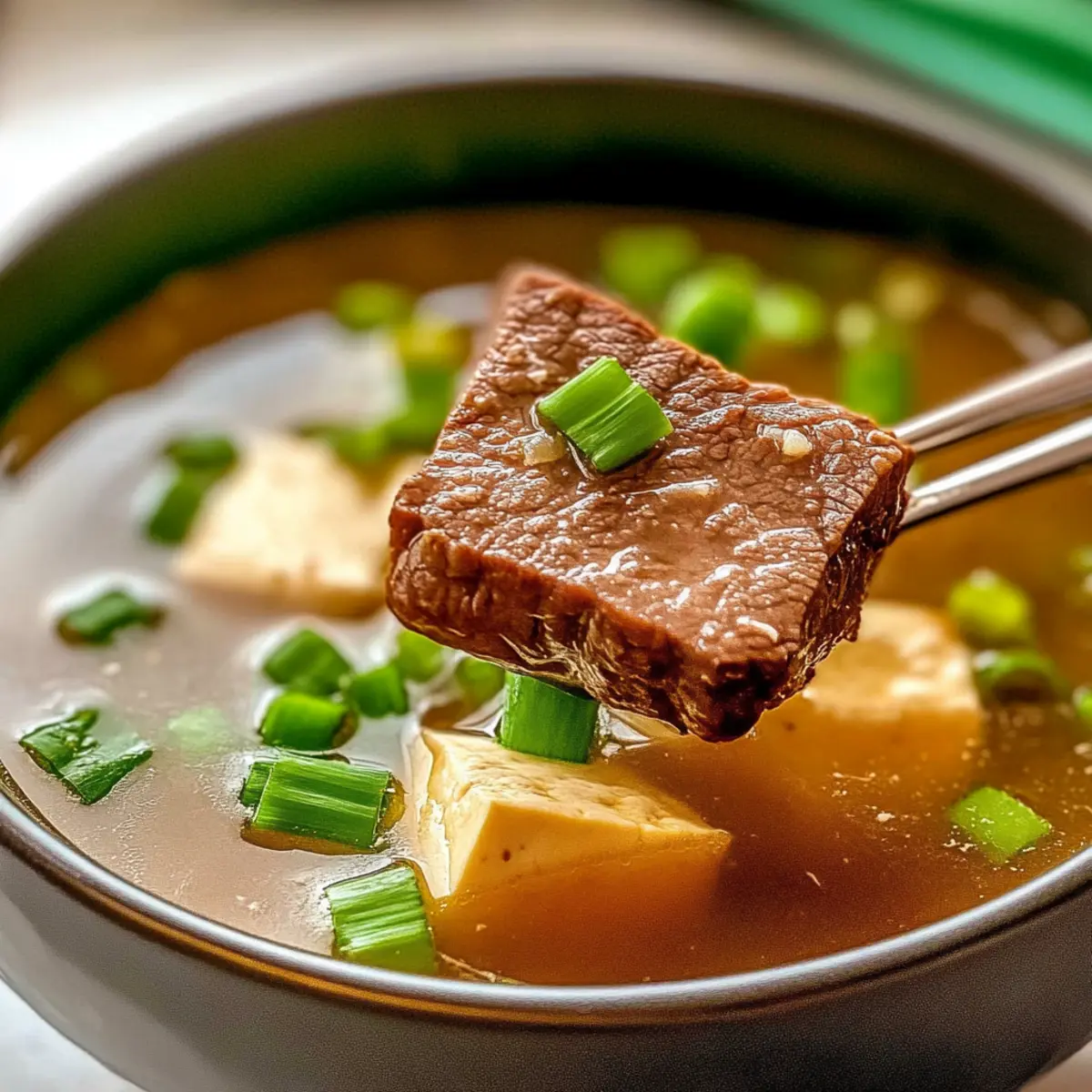
Cozy Up with Delicious Korean Winter Soup Bliss
Ingredients
Equipment
Method
- Soak the beef short ribs in cold water for about 1 hour to draw out blood and impurities.
- Prepare aromatics by cutting onion with skin on, slicing ginger thinly, and chopping garlic finely.
- Combine the soaked beef short ribs, ginger, green onion, yellow onion, and 10 cups of water in a large stock pot.
- Bring the pot to a vigorous boil, enjoying the aroma that fills your kitchen.
- Reduce heat to medium and skim off any foam that rises to the surface.
- Let the soup simmer uncovered for approximately 1 hour, skimming foam as necessary.
- Add sliced daikon radish and continue simmering for another 20 minutes until tender.
- Remove all aromatics, season with guk ganjang and sea salt, stirring gently as it simmers for an additional 10 minutes.
- Garnish the soup with freshly sliced green onions and black pepper before serving.
Leave a Reply