
The aromas wafting from the kitchen were enough to transport me straight to a bustling street market in Thailand, where vendors showcase vibrant curries brimming with fresh ingredients. Today, I’m excited to share my take on a delicious Thai Coconut Shrimp Curry that captures that essence, offering a quick and easy way to savor those flavors from the comfort of your home. With tender shrimp and colorful bell peppers nestled in a velvety coconut sauce, this dish is not only a crowd-pleaser but also gluten-free and perfect for a busy weeknight meal. Say goodbye to takeout and hello to a delicious homemade option that will elevate your dinner routine! Ready to cook up something extraordinary? Let’s dive into this recipe!
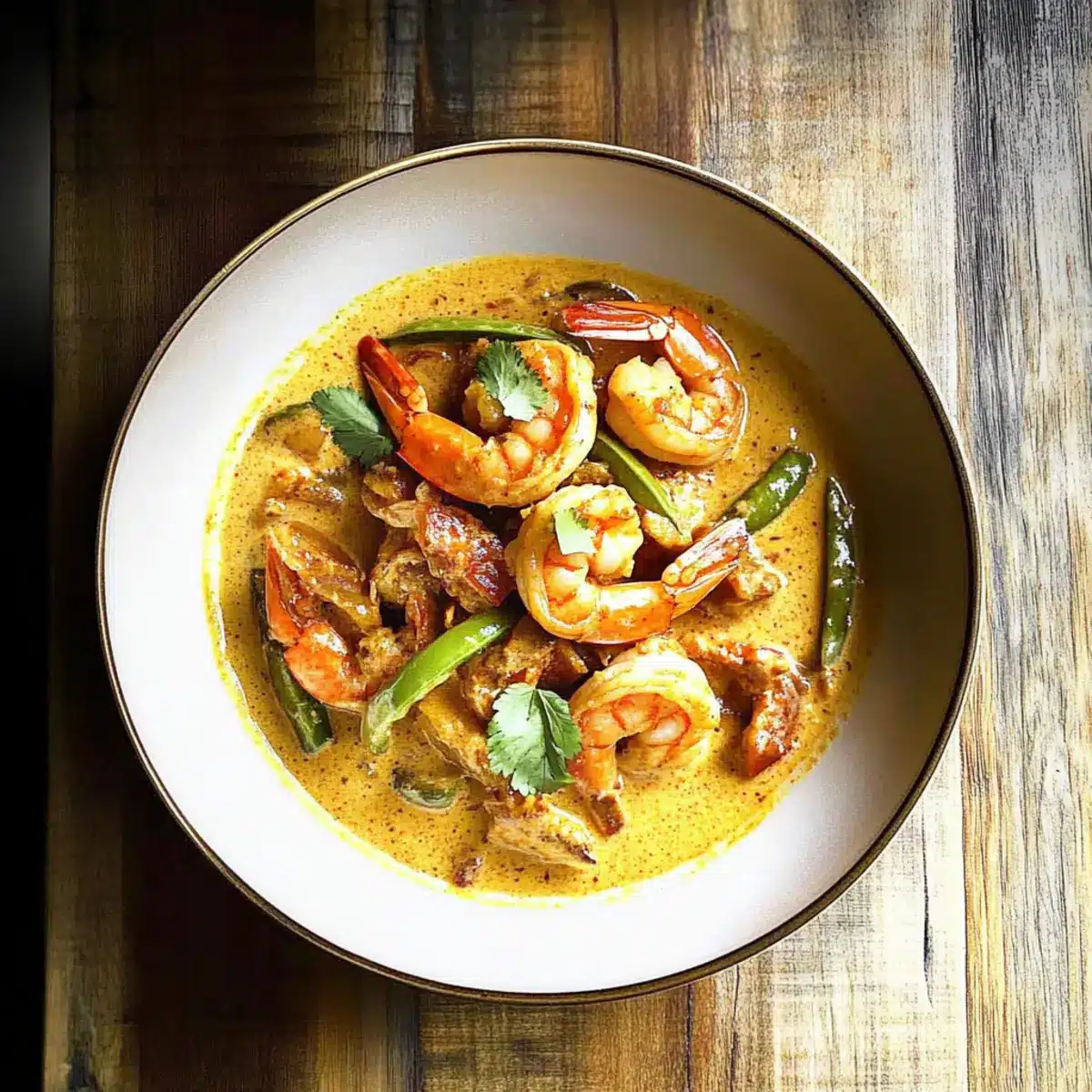
Why is This Recipe a Must-Try?
Quick and Easy: This Thai Coconut Shrimp Curry is perfect for busy weeknights, taking only 30 minutes from prep to plate, making gourmet cooking accessible to everyone.
Flavor Explosion: Enjoy a delicious harmony of spices, with creamy coconut milk that gives every bite a lush, comforting feel.
Versatile Ingredients: You can swap shrimp for chicken or tofu, allowing you to tailor the dish based on what you have at home or your dietary preferences.
Gluten-Free Delight: Being naturally gluten-free, this recipe caters to various dietary needs without compromising on flavor.
Crowd-Pleasing Comfort: Whether it’s dinner with family or a get-together with friends, this curry is sure to impress and can easily be served with rice or noodles for a complete meal.
If you love vibrant Asian-inspired dishes, don’t miss pairing it with a refreshing cucumber salad for a balanced palate.
Thai Coconut Shrimp Curry Ingredients
For the Curry
• Shrimp – Lean protein that’s quick to cook; ensure they are peeled and deveined for best texture.
• Low sodium soy sauce – Adds umami flavor without excessive salt; feel free to use regular soy sauce as a substitute.
• Red pepper flakes – Provides a spicy kick; adjust the amount based on your preferred heat level.
• Turmeric – Adds vibrant color and health benefits; use fresh or ground for optimal flavor.
• Garlic powder – Contributes savory depth; fresh garlic can give an even stronger aroma.
• White pepper – Offers a mild, unique heat; black pepper can be used but may alter the flavor slightly.
• Vegetable oil – Ideal for sautéing; any neutral oil will work perfectly here.
• Unsalted butter – Adds richness to the dish; for a dairy-free option, substitute with all oil.
• Bell pepper – Adds crunch and sweetness; zucchini or bok choy can serve as delightful substitutes.
• Garlic (fresh) – Use 4 grated cloves for aromatic depth; fresh garlic enhances the overall flavor.
• Ginger (fresh) – Brightens the flavor profile; fresh ginger is recommended, but ground ginger can be used in a pinch.
• Shallot – Provides subtle sweetness; can be easily substituted with a small onion.
• Chicken or vegetable broth – Deepens the flavor; opt for vegetable broth for a vegetarian version.
• Thai red curry paste – The heart of this dish’s flavor; mix with aromatics for the best results.
• Brown sugar – Balances spice and enhances sweetness; a touch of honey can be a nice alternative.
• Ground cumin and coriander – Adds warmth and complexity; these spices enrich the overall profile.
• Fish sauce – Provides salty umami flavor; omit for a vegan version without losing too much depth.
• Coconut milk (unsweetened, full fat) – Forms the creamy sauce base that makes this dish comforting.
• Lime juice – Adds a bright acidity; fresh lime juice is preferred for the best flavor.
• Sriracha (optional) – For those who prefer extra heat; feel free to skip it for a milder flavor.
• Thai basil – Brings a fresh, aromatic element to the curry; basil or cilantro can work as substitutes.
• Toppings (scallions, fried onions, cilantro, chili pepper) – Enhance flavor and presentation, making the dish feel gourmet.
This carefully crafted blend of ingredients makes your Thai Coconut Shrimp Curry not just a meal, but a delightful experience bursting with flavor!
Step‑by‑Step Instructions for Thai Coconut Shrimp Curry
Step 1: Prepare the Shrimp
Start by peeling and deveining the shrimp, ensuring they are clean and ready to soak up the flavors. In a medium bowl, combine the shrimp with low sodium soy sauce, red pepper flakes, turmeric, garlic powder, and white pepper. Toss thoroughly and let them marinate for about 10 minutes while you prepare the vegetables.
Step 2: Chop the Vegetables
While the shrimp is marinating, take time to chop the vegetables. Grate four cloves of fresh garlic and ginger, slice the bell pepper into strips, and finely chop the shallot. This will ensure that all ingredients for your Thai Coconut Shrimp Curry are ready to go, providing a vibrant flavor and texture to the dish.
Step 3: Sear the Shrimp
In a large skillet, heat 2 tablespoons of vegetable oil and 1 tablespoon of unsalted butter over medium-high heat until shimmering. Carefully add the marinated shrimp in a single layer, cooking them for about 1 minute on each side until they turn pink and opaque. Once cooked, transfer the shrimp to a plate and set aside.
Step 4: Cook the Bell Pepper
Using the same skillet, add the sliced bell pepper and sauté over medium heat for about 5 minutes, until the peppers are softened and slightly charred. Stir occasionally to prevent sticking and allow the natural sweetness to enhance your Thai Coconut Shrimp Curry’s flavor profile.
Step 5: Add Aromatics
Next, toss in the grated ginger, garlic, and chopped shallot to the skillet. Sauté for an additional 2 minutes until fragrant, stirring constantly. This combination will build a flavorful base for your curry, enticing everyone in the kitchen with its aromatic essence.
Step 6: Build the Flavor
Deglaze the skillet by pouring in 1 cup of chicken or vegetable broth, scraping the bottom to loosen any browned bits, and simmer for about 2 minutes. Stir in 2 tablespoons of red curry paste, 1 tablespoon of brown sugar, and the remaining spices along with 1 tablespoon of fish sauce for that delicious umami kick. Cook for one more minute while stirring to combine all the flavors.
Step 7: Create the Sauce
Pour in a can of unsweetened coconut milk, stirring until fully incorporated. Increase the heat to bring the mixture to a gentle boil, then reduce to a simmer. Allow the sauce to thicken for about 5 minutes, checking to ensure it coats the back of a spoon, creating a luscious foundation for your Thai Coconut Shrimp Curry.
Step 8: Combine and Finish
To finish off the dish, stir in 2 tablespoons of fresh lime juice, a dash of sriracha (if desired), and a handful of torn Thai basil leaves. Return the cooked shrimp to the skillet, gently heating them through for about 1 minute, allowing all the flavors to meld perfectly.
Step 9: Serve the Curry
Spoon the Thai Coconut Shrimp Curry into bowls, and garnish with your choice of toppings such as chopped scallions, fried onions, cilantro, and slices of chili pepper for added flair. Pair with jasmine rice or rice noodles, and enjoy your homemade gourmet meal with a refreshing cucumber salad on the side!
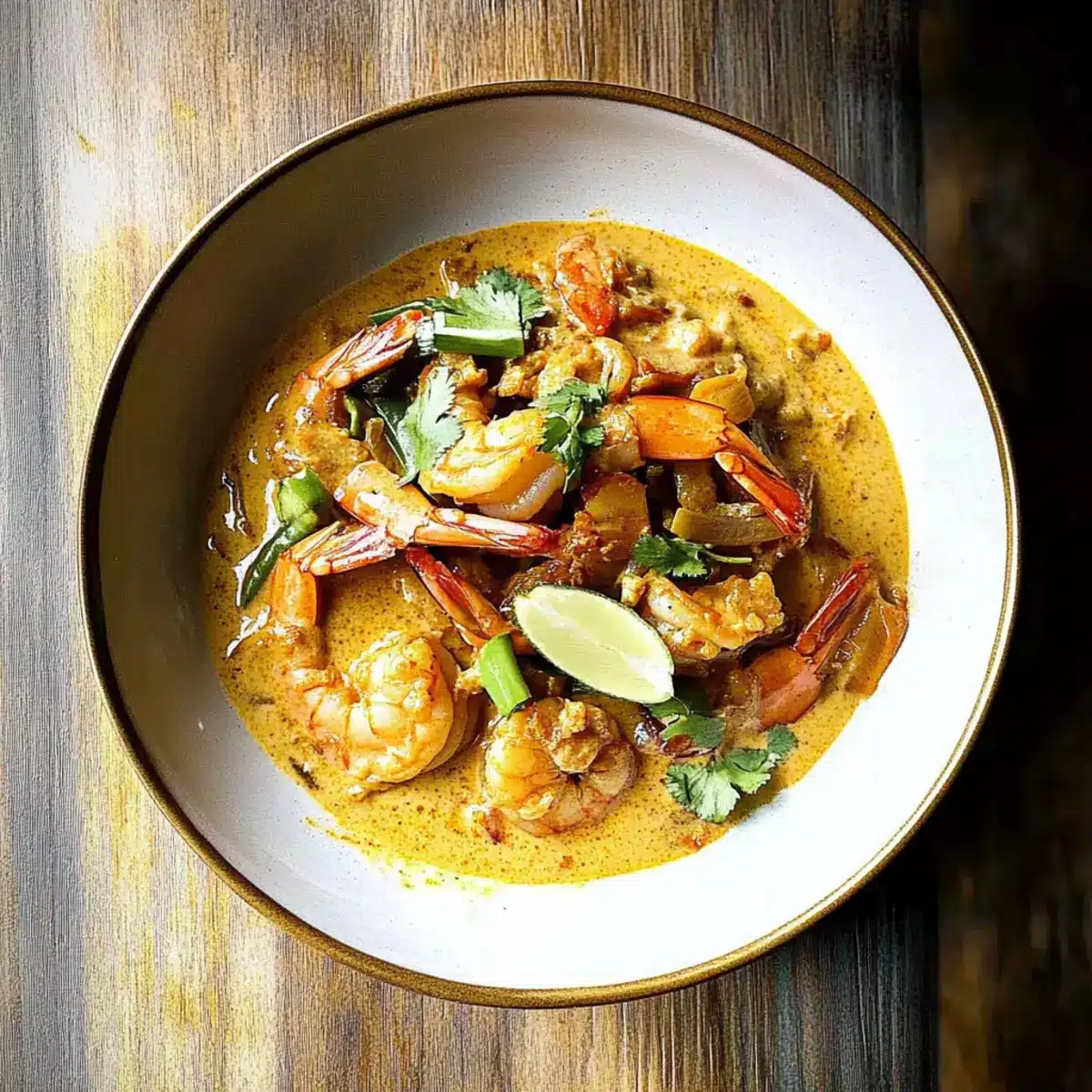
How to Store and Freeze Thai Coconut Shrimp Curry
Fridge: Store leftover Thai Coconut Shrimp Curry in an airtight container for up to 2 days. Reheat gently on the stove or in the microwave until warmed through.
Freezer: For longer storage, freeze the curry in a freezer-safe container for up to 3 months. Thaw overnight in the fridge before reheating.
Reheating: When reheating, add a splash of coconut milk or broth to restore creaminess, ensuring every bite is just as delicious as when freshly made.
Room Temperature: Avoid leaving out the curry at room temperature for more than 2 hours; refrigerate promptly to ensure freshness and safety.
Thai Coconut Shrimp Curry Variations
Feel free to get creative and make this Thai Coconut Shrimp Curry your own with these tantalizing variations!
- Protein Swap: Substitute shrimp with chicken or tofu for a different protein; remember to adjust cooking times accordingly.
- Veggie Boost: Add extra veggies like snap peas, spinach, or carrots for an even more colorful and nutritious dish.
- Spicy Kick: For added heat, toss in sliced jalapeños or a dash of your favorite hot sauce while cooking.
- Lighter Option: Use light coconut milk instead of full-fat for a lower calorie variant, while still keeping that creamy texture.
- Curry Twist: Experiment with different curry pastes, like green or Massaman, to discover new flavor profiles.
- Citrusy Flavor: Enhance the dish with a few splashes of orange or lemon juice for a unique citrus twist that balances the spices beautifully.
- Herb Variation: While Thai basil adds a fragrant touch, try substituting with cilantro or mint based on your palate preferences.
- Umami Boost: Add a spoonful of miso paste to the sauce to enhance its umami depth; this little trick elevates the flavor to a whole new level!
As you discover your favorite twists, consider pairing your curry with a vibrant side like this refreshing cucumber salad to keep your meal light and balanced. You can even end your evening with a decadent Chocolate Cheesecake for dessert, turning your meal into an unforgettable experience!
Make Ahead Options
Preparing your Thai Coconut Shrimp Curry in advance is a fantastic way to save time and simplify your busy weeknights! You can marinate the shrimp with soy sauce and spices up to 24 hours in advance; this allows the flavors to infuse beautifully. Additionally, you can chop all your vegetables a day ahead, storing them in an airtight container in the refrigerator to maintain their freshness. When you’re ready to cook, simply heat your skillet and follow the remaining steps. This way, you’ll have a delicious meal that feels just as fresh and vibrant, giving you restaurant-quality results with minimal effort!
Expert Tips for Thai Coconut Shrimp Curry
-
Prep Ingredients: Organize and chop all ingredients before starting to cook. This helps the cooking process flow smoothly and avoids any last-minute stress!
-
Don’t Overcook Shrimp: Shrimp cook quickly; just 1-2 minutes per side ensures they are tender and perfectly opaque. Overcooked shrimp can become rubbery.
-
Adjust Spice Levels: Tailor the heat by modifying the amount of red pepper flakes and sriracha. Remember, you can always add more, but it’s harder to tone it down!
-
Use Fresh Ingredients: Fresh garlic, ginger, and herbs elevate the flavors of your Thai Coconut Shrimp Curry significantly compared to dried or jarred versions.
-
Taste as You Go: Always sample the sauce during cooking; adding a splash more lime juice or a touch of sugar can help achieve a more balanced flavor profile.
-
Serve Immediately: For the best texture and flavor, serve the curry right after cooking. This ensures the creamy sauce and shrimp remain delightful!
What to Serve with Thai Coconut Shrimp Curry
Elevate your meal experience with delightful sides that complement the luscious flavors of this dish.
-
Steamed Jasmine Rice: The fluffy rice absorbs the rich coconut sauce beautifully, providing a neutral base that balances the spiciness of the curry.
-
Cucumber Salad: A refreshing cucumber salad with a tangy dressing adds a crisp contrast, enhancing the curry’s warm spices and creaminess.
-
Thai Spring Rolls: These crunchy delights filled with fresh vegetables and herbs make for a perfect appetizer that pairs wonderfully with the curry’s complex flavors.
-
Thai Basil Fried Rice: Infuse your rice with the aromatic notes of Thai basil to create a harmonious flavor connection with the coconut shrimp curry, making every bite unforgettable.
-
Roasted Vegetables: Caramelized seasonal vegetables lend a sweet and savory profile, creating a satisfying texture contrast with the tender shrimp and silky sauce.
-
Mango Sticky Rice: For dessert, this sweet treat offers a luscious end to the meal, balancing the curry’s heat while staying true to Thai flavors.
-
Chilled Coconut Water: Serve this refreshing drink for a light and hydrating accompaniment that echoes the coconut essence of the curry without overpowering it.
Each of these sides creates a delightful dining experience, turning your Thai Coconut Shrimp Curry into a feast for the senses!
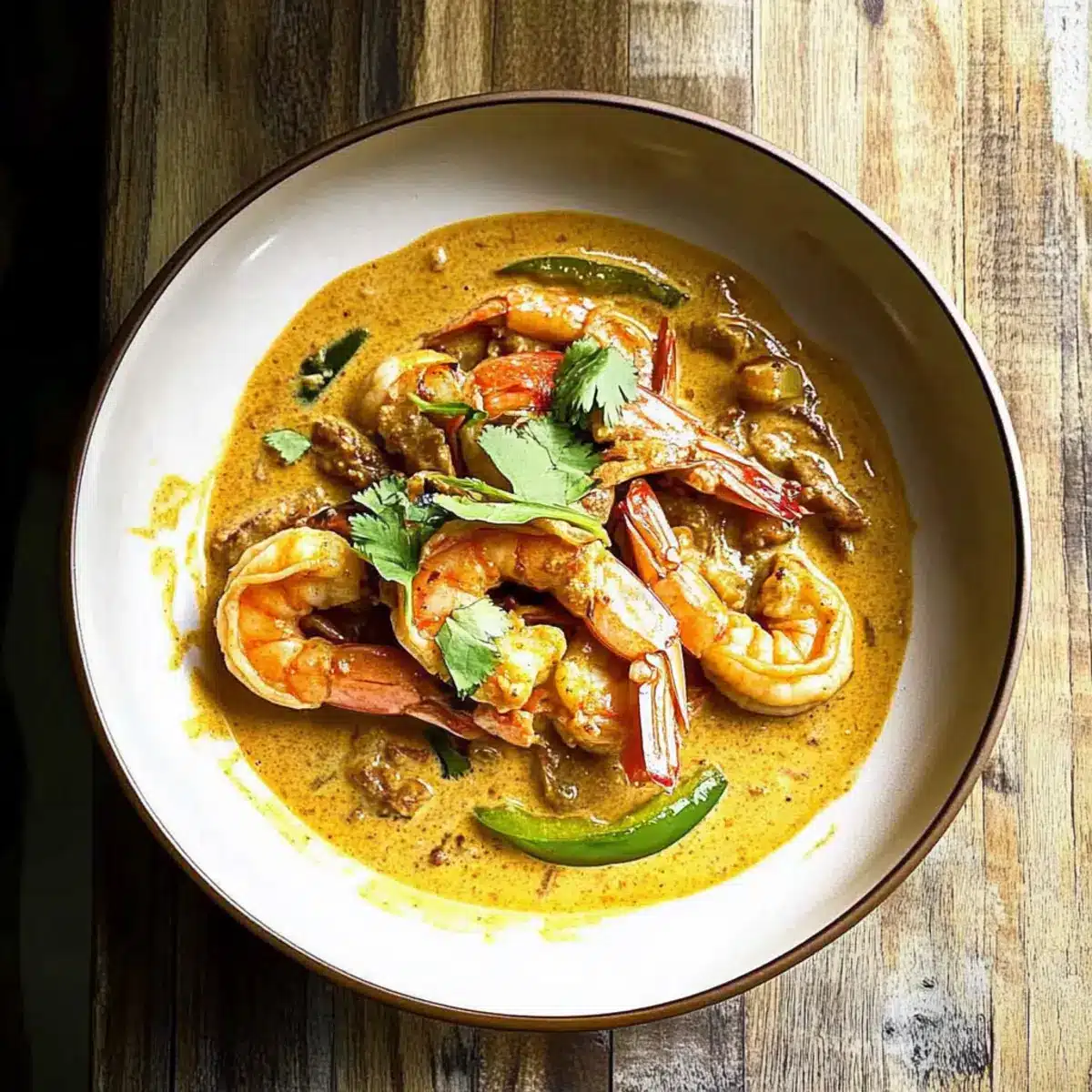
Thai Coconut Shrimp Curry Recipe FAQs
How do I choose the best shrimp for this recipe?
Absolutely! When selecting shrimp, look for fresh or frozen shrimp that are firm to the touch and have a mild, seafood scent. Ideally, pick shrimp that are labeled as “wild-caught” for better flavor and sustainability. If using frozen shrimp, opt for those that are peeled and deveined for convenience, and be sure they don’t have any dark spots, which indicate freezer burn.
How should I store leftover Thai Coconut Shrimp Curry?
Very good question! Leftover Thai Coconut Shrimp Curry can be stored in an airtight container in the refrigerator for up to 2 days. When you reheat it, do so gently on low heat to preserve the sauce’s creaminess. Add a splash of coconut milk or broth to help restore the sauce’s luscious texture while reheating.
Can I freeze Thai Coconut Shrimp Curry, and how should I do it?
Absolutely! You can freeze Thai Coconut Shrimp Curry for up to 3 months. To freeze, let the curry cool completely, then transfer it to a freezer-safe container or resealable freezer bag. Make sure to remove as much air as possible. When you’re ready to enjoy again, thaw it in the fridge overnight before gently reheating it on the stove. Add a bit of coconut milk to restore its creamy goodness.
What if my shrimp becomes rubbery while cooking?
That’s a common concern! To prevent rubbery shrimp, make sure not to overcook them. Shrimp typically require only 1-2 minutes per side; they should turn pink and opaque when done. If you notice they’re overcooked, try adjusting the cooking time next time and perhaps lower the heat slightly to control the cooking process.
Is there a way to make Thai Coconut Shrimp Curry vegan or vegetarian?
Sure thing! To create a vegan version, substitute shrimp with tofu or chickpeas for protein, and use vegetable broth in place of chicken broth. Omit the fish sauce and consider adding a bit of soy sauce or miso paste for depth. This will still give you that wonderful umami flavor without sacrificing taste.
Are there any common allergies I should be aware of?
Absolutely. This recipe features several common allergens like shrimp and soy sauce. If you’re cooking for someone with seafood allergies, consider substituting shrimp with chicken or tofu. For soy allergies, coconut aminos can be a great alternative to soy sauce, providing a similar umami flavor without the common allergens. Always check ingredient labels if you’re unsure!
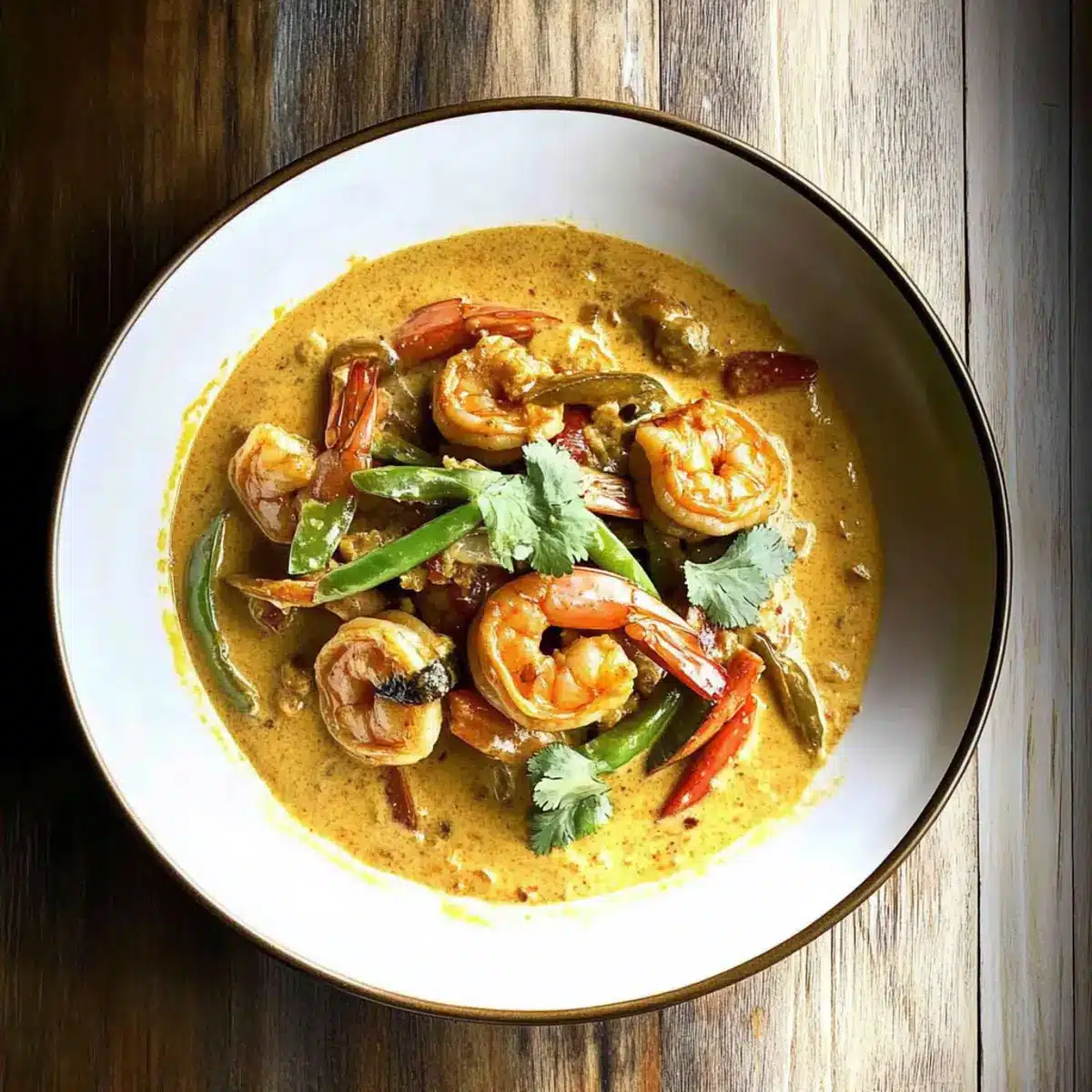
Easy Thai Coconut Shrimp Curry: Creamy Comfort at Home
Ingredients
Equipment
Method
- Prepare the shrimp by peeling and deveining. Marinate shrimp with soy sauce, red pepper flakes, turmeric, garlic powder, and white pepper for 10 minutes.
- Chop the vegetables including grating garlic and ginger, slicing the bell pepper, and chopping the shallot.
- In a skillet, heat oil and butter. Sear the marinated shrimp for 1 minute on each side until pink and opaque. Remove and set aside.
- Add bell pepper to the skillet and sauté for about 5 minutes until softened.
- Add ginger, garlic, and shallot, sautéing for 2 minutes until fragrant.
- Deglaze with broth, simmer for 2 minutes, then add curry paste, brown sugar, and fish sauce. Cook for another minute.
- Pour in coconut milk, bring to a gentle boil, then simmer for 5 minutes until thickened.
- Stir in lime juice, sriracha, and basil. Return shrimp to heat through for 1 minute.
- Serve with desired toppings and pair with rice or noodles.
Leave a Reply