
The aroma of a warm, tropical paradise wafts from my kitchen as I whip up this delightful Thai Coconut Shrimp Curry. There’s something magical about combining tender shrimp with fresh bell peppers, all bathed in a creamy coconut sauce that offers just the right amount of spice. This dish is not only quick—taking only 30 minutes to prepare—but also a fantastic dairy-free option, making it a perfect solution for those who crave a satisfying weeknight dinner without the hassle of takeout. Plus, this recipe is hugely customizable; whether you want to throw in some broccoli or switch the shrimp for chicken or tofu, the possibilities are endless! Are you ready to bring the taste of Thailand to your own table? Let’s get cooking!
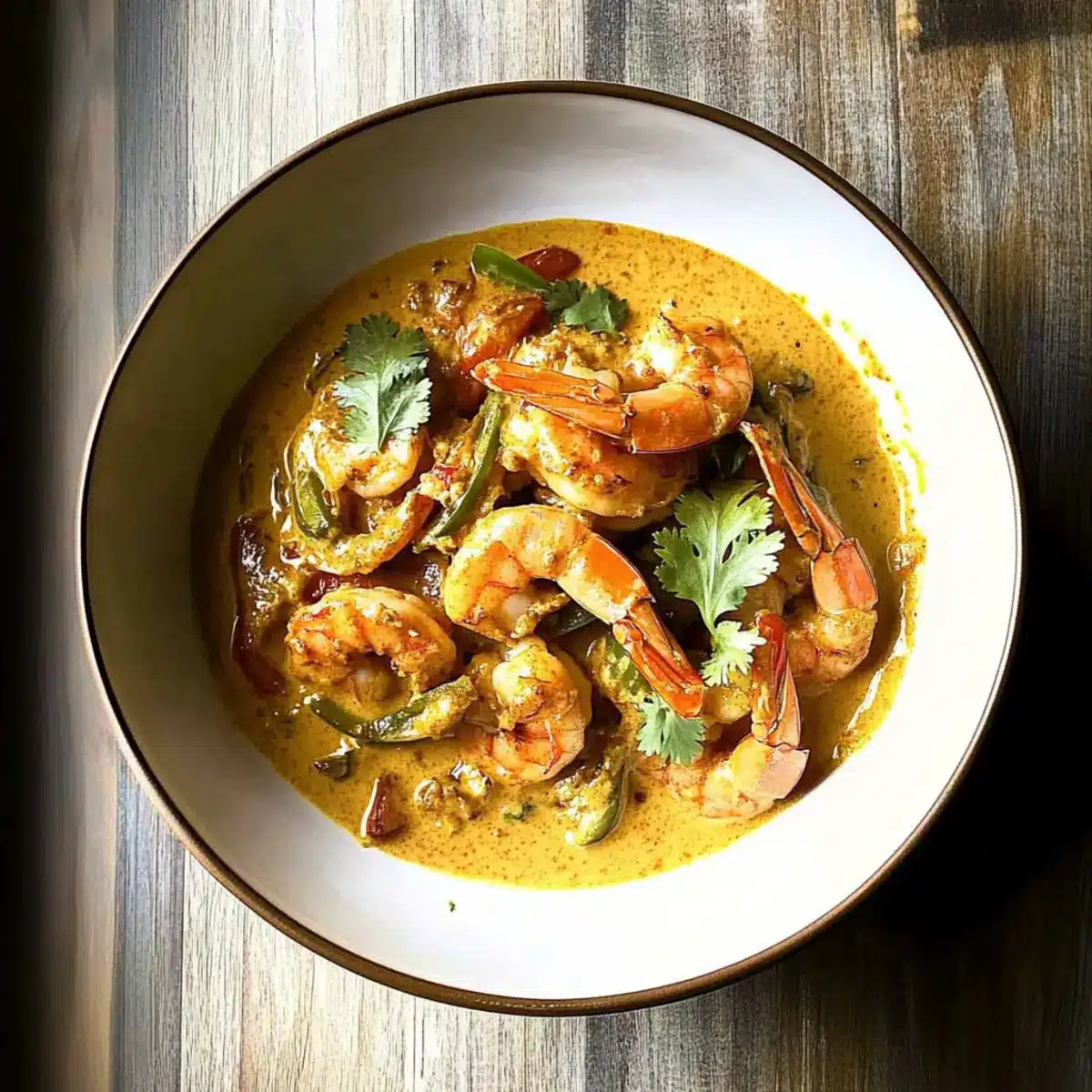
Why is this curry so irresistible?
Simplicity: With just a handful of ingredients, this Thai Coconut Shrimp Curry can be prepared in just 30 minutes, perfect for those busy weeknights.
Flavor Explosion: The creamy coconut sauce, combined with fragrant ginger and garlic, creates a symphony of flavors that dance on your palate.
Customizable: Feel free to swap shrimp for chicken or tofu to suit your taste—this recipe is as flexible as it is delicious!
Dairy-Free Delight: Enjoy a rich, satisfying meal without the added dairy; it’s a great option for anyone looking to eat lighter.
Crowd Pleaser: This dish is sure to impress not just your taste buds but also anyone you share it with, making it an ideal choice for gatherings or family dinners.
Pair it with a refreshing salad or the comforting texture of rice, and explore flavor variations like my popular Thai Chicken Wrap for more culinary adventures!
Thai Coconut Shrimp Curry Ingredients
• Here’s what you need to create your delicious Thai Coconut Shrimp Curry!
For the Curry Base
- Shrimp – Use peeled and deveined for convenience and tender texture.
- Soy Sauce – Adds umami and a touch of saltiness; low sodium is best for heart health.
- Red Pepper Flakes – Provide customizable heat; adjust based on your spice preference.
- Turmeric – Enhances color and flavor; curry powder can substitute for complexity.
- Garlic Powder – Boosts flavor; use fresh garlic for a stronger, fresher taste.
- White Pepper – Offers mild peppery notes without altering the dish’s color.
- Vegetable Oil – Ideal for sautéing; coconut oil adds a tropical twist.
- Unsalted Butter – Contributes richness; substitute with oil for a dairy-free option.
- Bell Pepper – Adds a sweet crunch; swap for zucchini or bok choy if needed.
- Garlic Cloves – Fresh cloves add a sharp, aromatic flavor; three to four are perfect.
- Freshly Grated Ginger – Provides warmth and spice, balancing the dish beautifully.
- Shallot – Milder than onion; can be replaced with green onion if unavailable.
- Chicken Broth – Adds depth; opt for vegetable broth to keep it vegetarian.
- Thai Red Curry Paste – The heart of the dish; adjust quantity to manage heat.
- Brown Sugar – Balances out the spice; coconut sugar works well as a substitute.
- Coconut Milk – Delivers creaminess with a tropical flair; full fat is recommended.
- Lime Juice – Brightens flavors; fresh lime elevates the dish’s overall taste.
For Optional Heat and Garnishes
- Sriracha – Adds extra heat and flavor; leave out if you prefer milder spice.
- Thai Basil – Delivers aromatic freshness; regular basil can be a good substitute.
- Scallions, Fried Onions, Cilantro, Chili Pepper – Optional toppings that enhance flavor, texture, and presentation.
Gather these ingredients, and let’s bring the vibrant flavors of Thailand into your kitchen with this delightful Thai Coconut Shrimp Curry!
Step‑by‑Step Instructions for Thai Coconut Shrimp Curry
Step 1: Prep Ingredients
Begin by preparing the shrimp for your Thai Coconut Shrimp Curry. In a medium bowl, combine the peeled and deveined shrimp with soy sauce, red pepper flakes, turmeric, garlic powder, and white pepper. Mix well to ensure the shrimp is evenly coated. Set this mixture aside to marinate while you prepare the other ingredients, allowing the flavors to meld.
Step 2: Sauté Shrimp
Heat a large skillet over medium-high heat, adding vegetable oil and butter. Once the butter is melted and sizzling, gently place the marinated shrimp in the skillet. Sear the shrimp for about 1 minute on each side until they are pink and opaque. Remove the shrimp from the skillet and set them aside on a plate, making room for the vegetables.
Step 3: Cook Bell Pepper
In the same skillet, add sliced bell pepper and sauté for about 5 minutes, stirring occasionally, until they soften and become slightly translucent. As the bell peppers cook, their vibrant color will enhance the dish. Next, add the grated garlic, fresh ginger, and chopped shallot, continuing to sauté for an additional 2 minutes until fragrant.
Step 4: Develop Flavors
Pour in the chicken broth to deglaze the skillet, scraping the bottom with a wooden spoon to lift the flavorful bits left behind. Allow the broth to simmer for 2 minutes, which will intensify the flavors and create a rich base for your curry. This step is crucial for ensuring a depth of flavor in your Thai Coconut Shrimp Curry.
Step 5: Add Paste and Spices
Stir in the Thai red curry paste along with the brown sugar, turmeric, cumin, coriander, soy sauce, and fish sauce. Cook this mixture for 1 minute, stirring frequently, until it becomes aromatic and well combined. The vibrant red hue of the paste will create a beautiful foundation for your curry sauce, setting the stage for the creamy coconut milk.
Step 6: Simmer Sauce
Pour in the coconut milk, stirring thoroughly to blend with the spices and broth. Bring the mixture to a gentle boil, then reduce the heat and let it simmer for about 5 minutes. As it simmers, the sauce will thicken and become luxuriously creamy, enveloping the dish in warmth and flavor typical of a delicious Thai Coconut Shrimp Curry.
Step 7: Final Touches
Add the lime juice to the simmering sauce, along with optional sriracha for extra heat and the fresh Thai basil. Return the previously cooked shrimp to the skillet, letting everything simmer together for another minute until the shrimp is heated through and infused with the savory flavors. The aroma will be irresistible!
Step 8: Serve
To serve your Thai Coconut Shrimp Curry, ladle the warm, creamy mixture over a bed of fluffy rice. Garnish with chopped cilantro, crispy fried onions, and fresh chili peppers for an added layer of texture and flavor. This dish is sure to become a favorite, showcasing the vibrant flavors of Thailand right in your own home.
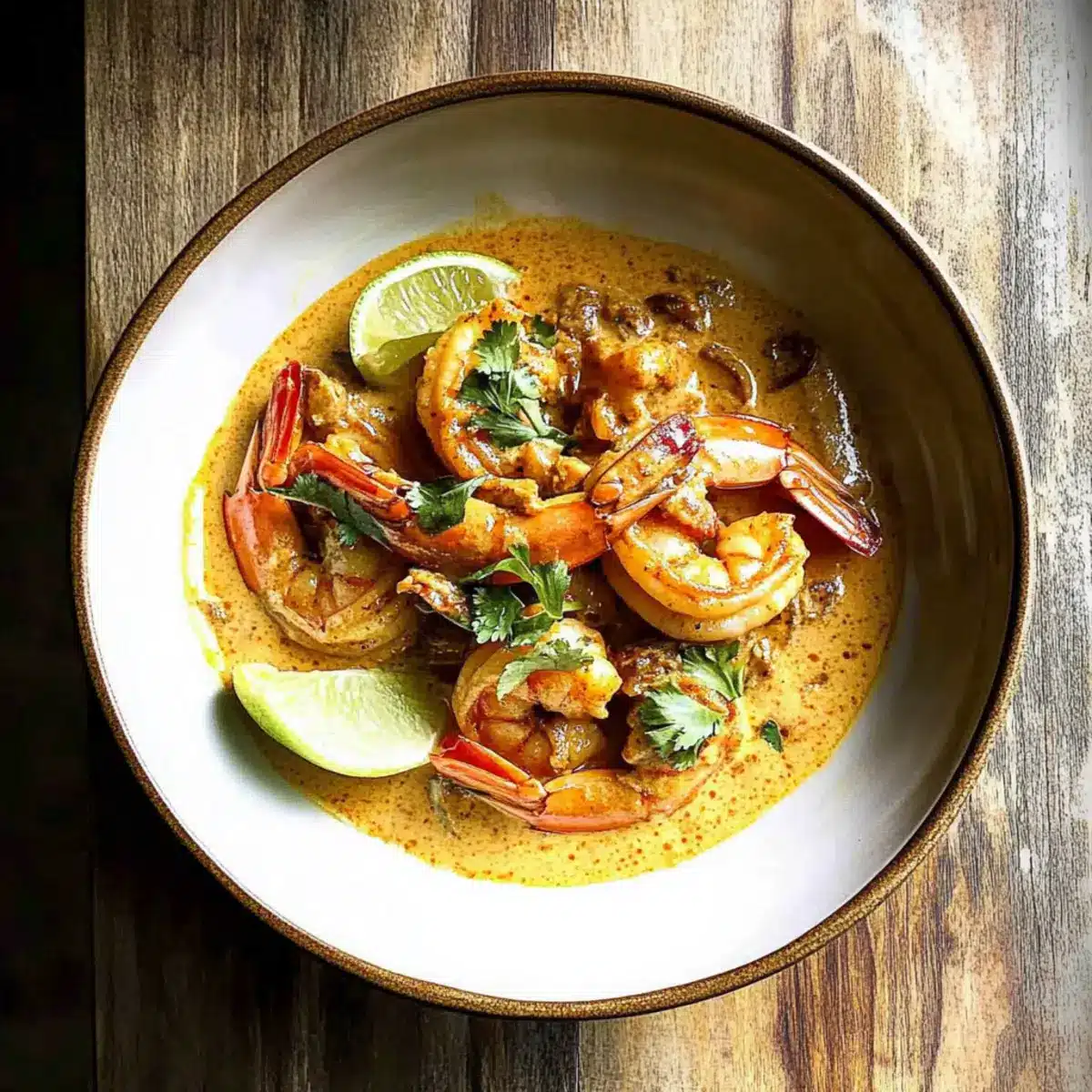
Make Ahead Options
This Thai Coconut Shrimp Curry is perfect for meal prep, saving you valuable time on busy weeknights! You can marinate the shrimp with soy sauce, spices, and garlic up to 24 hours in advance, allowing those delicious flavors to deepen. Additionally, you can chop the bell pepper and other vegetables ahead of time, storing them in the refrigerator for up to 3 days to stay fresh and crisp. When you’re ready to cook, simply sauté your prepped ingredients and follow the recipe steps, adding the marinated shrimp right before serving. This way, you’ll enjoy just-as-delicious results with minimal effort, making your dinner a breeze!
How to Store and Freeze Thai Coconut Shrimp Curry
Fridge: Store leftovers in an airtight container for up to 3 days. Ensure the curry cools to room temperature before sealing to maintain freshness.
Freezer: For long-term storage, freeze the curry in a freezer-safe container for up to 3 months. Leave some space at the top as it will expand while freezing.
Reheating: Thaw overnight in the refrigerator, then reheat on the stovetop over low heat, adding a splash of water or broth to restore creaminess in your Thai Coconut Shrimp Curry.
Serving Suggestions: Consider serving the reheated curry over fresh rice or noodles for a quick, comforting meal that feels just as good as the first time.
What to Serve with Quick and Creamy Thai Coconut Shrimp Curry
Elevate your dinner experience by pairing your vibrant curry with delightful accompaniments that bring out its rich flavors.
-
Steamed Jasmine Rice: The light, fluffy texture of jasmine rice balances the creamy coconut sauce perfectly, soaking up all the savory goodness.
-
Fresh Cucumber Salad: A cool and crunchy salad made with cucumbers and a tangy lime dressing adds freshness, cutting through the creaminess of the curry deliciously.
-
Crispy Vegetable Spring Rolls: These crunchy bites provide a delightful contrast to the tender shrimp, adding a satisfying texture to your meal.
-
Sautéed Bok Choy: This dish adds a subtle crunch and a nutritional boost, making a vibrant and colorful addition that complements the other fresh flavors.
-
Mango Sticky Rice: For a sweet finish, this Thai dessert combines the creaminess of coconut with the sweetness of ripe mango, creating a beautiful balance after the slightly spicy shrimp curry.
-
Chilled Thai Iced Tea: Sweet and creamy, this refreshing drink is a perfect pair to cool your palate after every spicy bite of the shrimp curry.
Explore these pairings to create an unforgettable dining experience that brings your taste buds directly to Thailand!
Thai Coconut Shrimp Curry Variations
Explore delightful twists on this recipe to match your taste and dietary needs!
-
Protein Swap: Substitute shrimp with chicken or tofu for a different protein that’s equally delicious. Both options absorb the curry flavors beautifully.
-
Veggie Medley: Add nutrition and color by incorporating zucchini, broccoli, or snap peas. These veggies not only enhance the dish visually, but they also contribute unique textures.
-
Dairy-Free Version: Replace unsalted butter with additional vegetable oil or coconut oil for a completely dairy-free meal that retains rich flavor. Your taste buds won’t even notice the change!
-
Spice Factor: Increase the heat with extra red pepper flakes or a dash of chili paste for a fiery kick. Get adventurous and adjust to your spice tolerance for a personalized dish.
-
Curry Creaminess: For a lighter curry, use light coconut milk instead of full fat. Just keep in mind that the texture may be less creamy but still delightful in flavor.
-
Flavor Boost: Add a splash of fish sauce or soy sauce during cooking to deepen the umami profile. A hint of brightness from freshly grated lime can also elevate the dish.
-
Asian-Inspired Toppings: Elevate your meal with garnishes like toasted sesame seeds or sliced scallions. They bring an extra crunch and flavor that takes this curry to the next level.
-
Complementary Sides: Pair this curry with some vibrant sides, like my Thai Chicken Wrap or a refreshing cucumber salad for a well-rounded meal.
Experimenting with these variations allows you to create a unique take on this Thai Coconut Shrimp Curry every time, ensuring that it always satisfies your cravings!
Expert Tips for Thai Coconut Shrimp Curry
-
Ingredient Prep: Prepare all ingredients ahead of time. This makes the cooking process smoother and ensures you don’t forget any key elements of the Thai Coconut Shrimp Curry.
-
Adjust Spice Levels: Start with a smaller amount of red curry paste if you’re unsure about heat preference. You can always add more for your desired level of spice.
-
Simmer for Flavor: Let the coconut milk and spices simmer longer for a richer sauce. This enhances the flavors and gives you that creamy consistency everyone loves.
-
Add Freshness: Don’t skip fresh herbs like Thai basil and cilantro on top. They add a burst of freshness and elevate the flavors of the dish.
-
Customizable Protein: You can easily substitute shrimp with chicken or tofu, making it versatile for different taste preferences while keeping the base flavors intact.
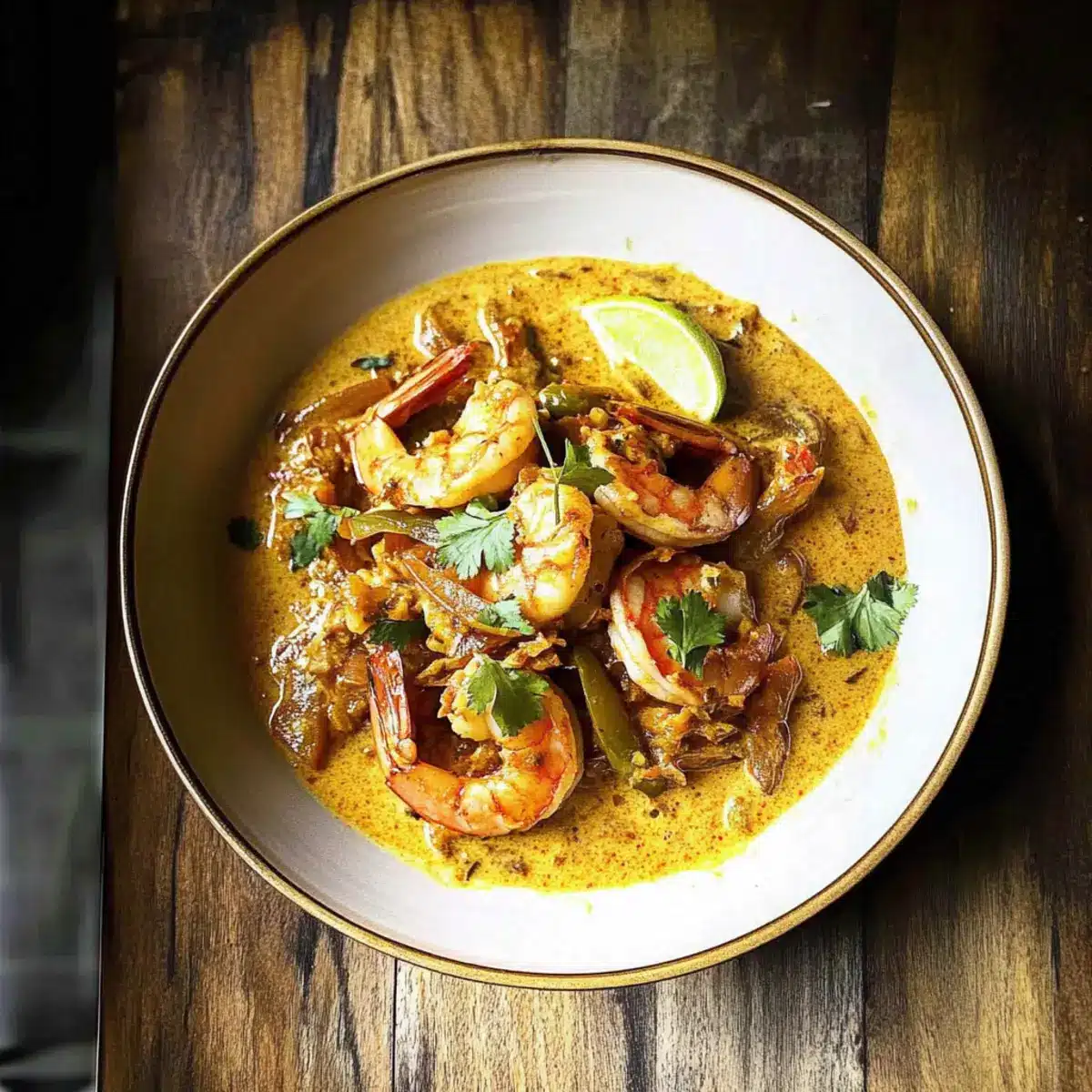
Thai Coconut Shrimp Curry Recipe FAQs
What type of shrimp should I use for the coconut shrimp curry?
Absolutely! For the best results, use peeled and deveined shrimp. This cuts down on prep time and ensures a tender texture in your dish. Fresh shrimp is ideal, but frozen shrimp also works well—just make sure to thaw them properly before cooking.
How long can I store leftover Thai coconut shrimp curry?
You can store your curry in an airtight container in the refrigerator for up to 3 days. Make sure it cools to room temperature before sealing. If you won’t finish it within this timeframe, consider freezing it to retain its delicious flavors!
Can I freeze the Thai coconut shrimp curry?
Very! You can freeze the curry in a freezer-safe container for up to 3 months. It’s best to leave some space at the top as it may expand when frozen. Be sure to label it with the date for reference!
How do I reheat frozen Thai coconut shrimp curry?
To enjoy your frozen curry, let it thaw overnight in the refrigerator. When you’re ready to reheat, place it in a skillet over low heat, adding a splash of water or broth to maintain that luscious creaminess. Gently stir until heated through—this should take about 5-10 minutes.
What should I do if the sauce is too thin?
If the sauce doesn’t thicken to your liking, simply let it simmer for a few extra minutes. This allows excess liquid to evaporate and can enhance the flavors. If you prefer, you can mix a bit of cornstarch with water to create a slurry and add it to the sauce, stirring continually until it thickens.
Is this Thai coconut shrimp curry suitable for a dairy-free diet?
Yes, indeed! As long as you substitute the butter with more vegetable oil or coconut oil, this dish can easily fit into a dairy-free lifestyle. It remains rich and satisfying, without compromising the great flavors or textures you love.
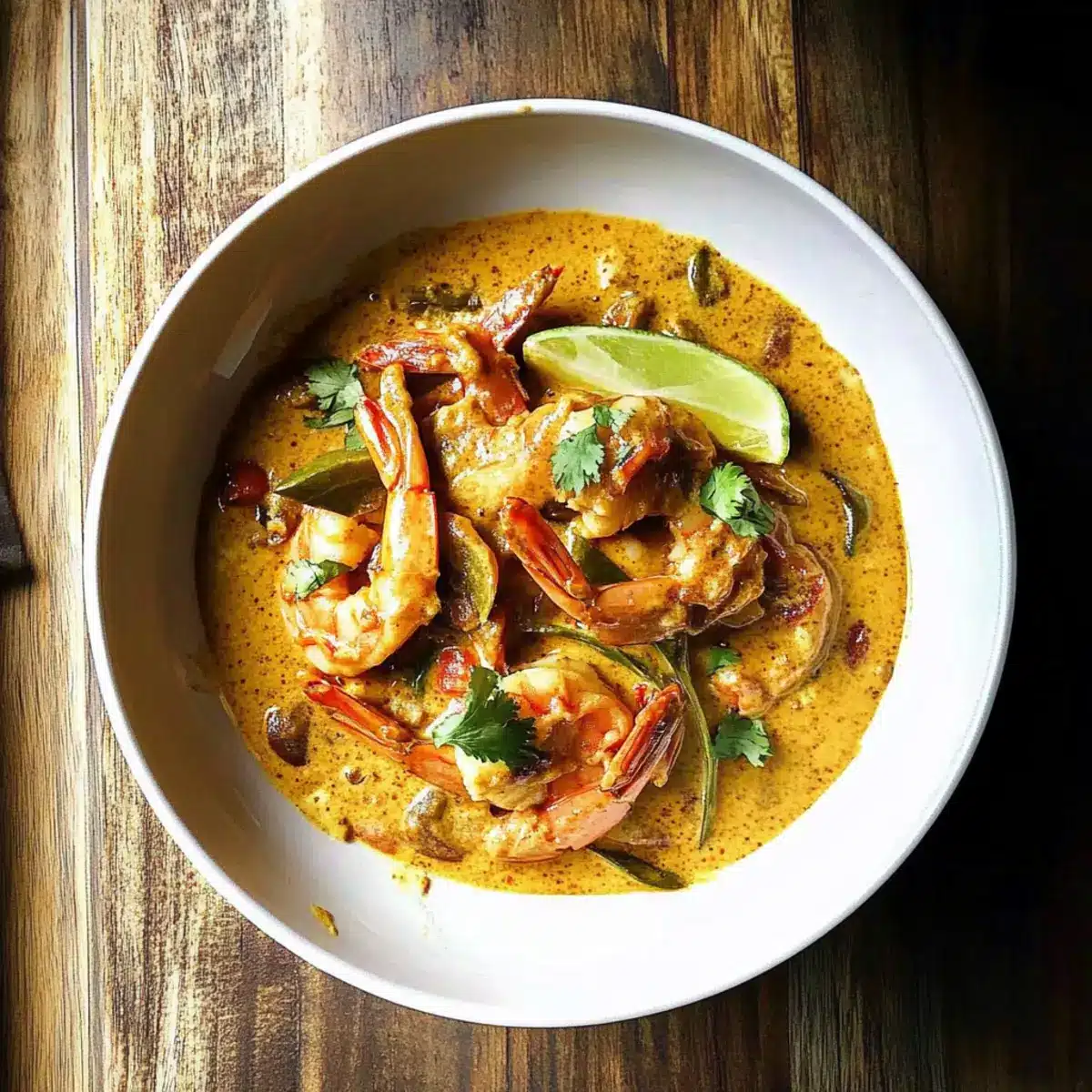
Deliciously Quick Thai Coconut Shrimp Curry for Cozy Nights
Ingredients
Equipment
Method
- Prep the shrimp by marinating it with soy sauce, red pepper flakes, turmeric, garlic powder, and white pepper in a bowl. Set aside.
- Heat a skillet over medium-high heat, add oil and butter, and sauté marinated shrimp until pink and opaque. Remove and set aside.
- In the same skillet, add sliced bell pepper and sauté for 5 minutes. Add garlic, ginger, and shallot, continuing to sauté for 2 minutes.
- Deglaze the skillet with chicken broth and simmer for 2 minutes.
- Stir in red curry paste, brown sugar, turmeric, cumin, coriander, soy sauce, and fish sauce. Cook for 1 minute.
- Pour in coconut milk, stir, and bring to a gentle boil. Simmer for 5 minutes.
- Add lime juice, optional sriracha, and fresh Thai basil. Return the shrimp to the skillet, simmer for another minute.
- Serve the curry over rice, garnished with cilantro, fried onions, and chili peppers.
Leave a Reply