
As I twirled my fork through a vibrant bowl of noodles, the rich aroma of sesame and the enticing whiff of gochujang enveloped me in a warm embrace. These Easy High-Protein Peanut Gochujang Noodles are my favorite go-to meal when I’m craving something hearty yet quick to prepare. In just 25 minutes, I can whip up a nourishing dish packed with creamy peanut sauce, tender broccoli, and protein-rich edamame. This recipe is not only a crowd-pleaser but is also perfect for meal prep, ensuring I have delicious leftovers for the week ahead. What’s not to love about a dish that’s both satisfying and good for you? Are you ready to dive into a bowl of comforting flavors that will leave you feeling both energized and fulfilled?
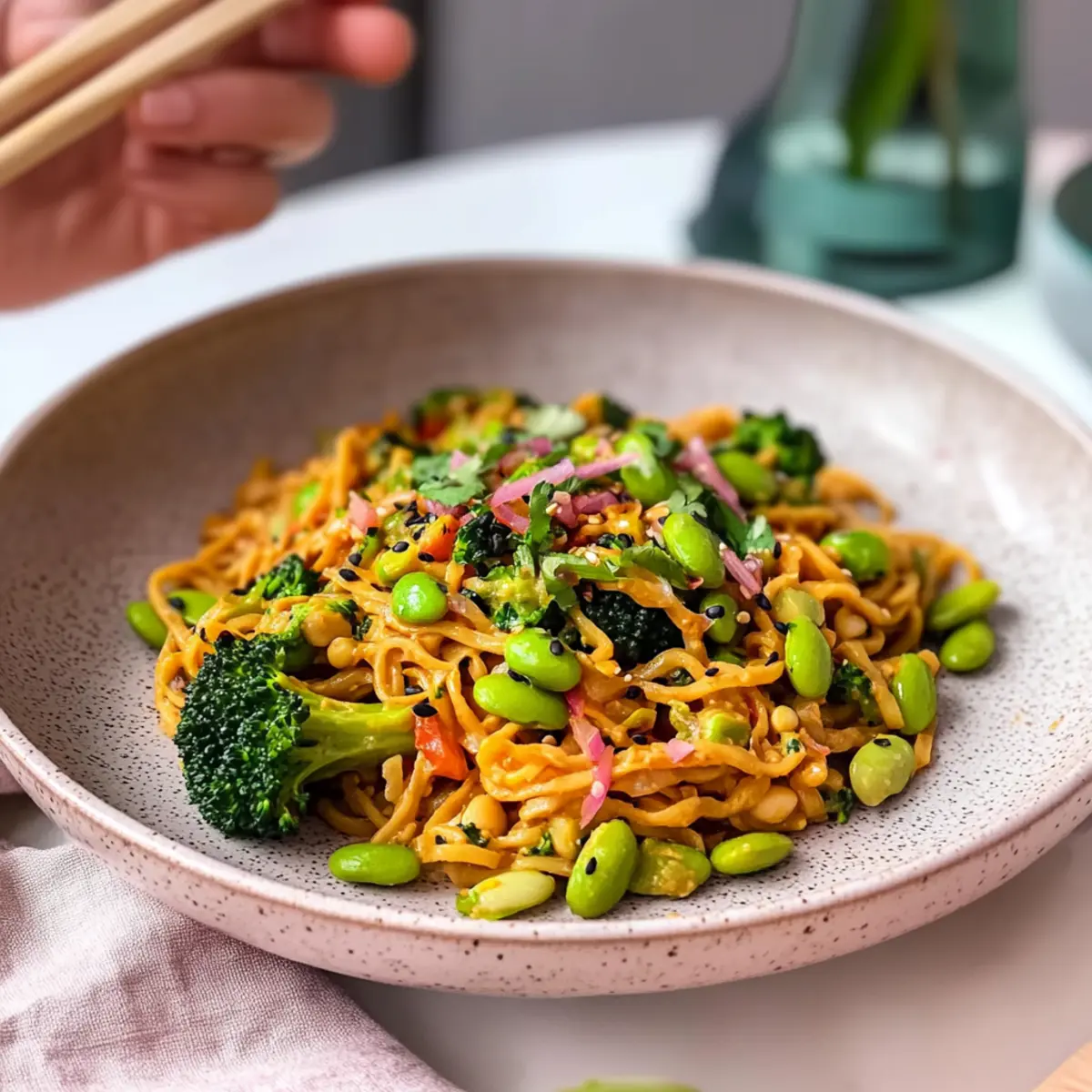
Why Try These Gochujang Noodles?
Flavor Explosion: Each bite bursts with a unique blend of creamy peanut butter and spicy gochujang that tantalizes your taste buds.
Quick and Easy: With just 25 minutes of prep time, you’ll have a delicious, wholesome meal ready in no time.
Healthy & Nutritious: Packed with high-protein edamame and fiber-rich broccoli, it’s a meal that nourishes while satisfying your cravings.
Versatile Options: Whether you need a gluten-free option or prefer it nut-free, this recipe can adapt easily to your dietary needs.
Meal Prep Friendly: Make a big batch and enjoy flavorful leftovers throughout the week; just reheat and serve!
Experience the joy of cooking with this recipe while saving time and effort—perfect for busy weeknights or cozy weekends!
High-Protein Peanut Gochujang Noodles Ingredients
For the Sauce
- Smooth Peanut Butter – Provides a creamy base for an irresistible sauce; substitute with tahini for a nut-free version.
- Gochujang Paste – This Korean chili sauce adds a spicy kick and depth; feel free to adjust the amount to match your heat tolerance.
- Garlic Cloves – Elevates the sauce with aromatic flavor; for a milder taste, consider roasting them first.
- Tamari – A gluten-free soy sauce alternative that lends a savory depth; lower sodium options are available too.
- Rice Vinegar – Balances flavors with a touch of acidity, brightening the dish.
- Maple Syrup – Adds a hint of sweetness; agave syrup makes a suitable substitute for a different sweetener.
- Lime Juice – Fresh citrus that brightens both the flavors and your mood!
For the Noodles and Veggies
- Dry Udon Noodles – The chewy base for your dish; swap with rice noodles for a gluten-free option.
- Frozen Shelled Edamame – A protein-packed addition, bringing about 9g of protein per half cup, crucial for the high-protein aspect of these noodles.
- Broccoli – Adds a nutritious crunch; if you prefer, spinach or kale can be excellent alternatives.
- Sesame Oil – Lends rich, nutty flavor when sautéing the veggies.
- Shiitake Mushrooms – Infuses umami notes and pleasing texture; regular mushrooms can be substituted if desired.
- Scallions – Fresh garnish that adds a touch of onion flavor; green onions can also work in a pinch.
- Black Sesame Seeds – For garnish, providing a lovely visual touch; regular sesame seeds can serve the same purpose.
- Red Chilli (optional) – Adjust the spice levels based on your preference for heat.
For Finishing Touches
- Cooking Water from Noodles – Reserve this to adjust the sauce consistency while enhancing flavor and adhesion, making your dish even more delightful!
These High-Protein Peanut Gochujang Noodles aren’t just a meal; they’re a warm embrace that nourishes your body and soul. Enjoy every bite!
Step‑by‑Step Instructions for High-Protein Peanut Gochujang Noodles
Step 1: Sauté the Mushrooms
In a pan, heat a drizzle of sesame oil over medium heat. Once hot, add shiitake mushrooms and sauté for about 5 minutes, stirring occasionally, until they release their juices and become tender. The mushrooms should develop a golden hue, indicating they’re ready for the next step, enriching your High-Protein Peanut Gochujang Noodles with deep umami flavor.
Step 2: Add the Vegetables
Next, stir in the broccoli florets and frozen shelled edamame into the pan with the sautéed mushrooms. Continue cooking this mixture for about 10 minutes, stirring frequently. The broccoli should turn vibrant green and become slightly tender, while the edamame warms through. This step ensures your noodles are packed with nutritious vegetables.
Step 3: Cook the Udon Noodles
While the vegetable mixture cooks, bring a large pot of water to a rolling boil. Add dry udon noodles and cook according to package instructions, usually around 8-10 minutes, until they’re perfectly chewy. Once cooked, reserve 1/4 cup of the cooking water before draining the noodles, which you will use to create the sauce for your High-Protein Peanut Gochujang Noodles.
Step 4: Prepare the Sauce
In a bowl, whisk together the smooth peanut butter, gochujang paste, minced garlic cloves, tamari, rice vinegar, maple syrup, and fresh lime juice. Gradually incorporate the reserved noodle cooking water to achieve your desired sauce consistency, creamy yet pourable. This flavorful sauce will beautifully coat your noodles, balancing the spice and sweetness perfectly.
Step 5: Combine Ingredients
Add the cooked udon noodles to the pan with the sautéed vegetables, bringing the heat back to medium. Pour the prepared sauce over the mixture, tossing everything together for about 2 minutes. Ensure the noodles and veggies are thoroughly coated—this step infuses all the elements of your High-Protein Peanut Gochujang Noodles with vibrant flavors.
Step 6: Serve and Garnish
Remove the pan from the heat and serve your delicious High-Protein Peanut Gochujang Noodles warm. Top each serving with freshly sliced scallions, a sprinkle of black sesame seeds, and optional red chili for added heat. These finishing touches will elevate your dish, making every bite a delightful experience, whether it’s a cozy night in or a meal prep success!
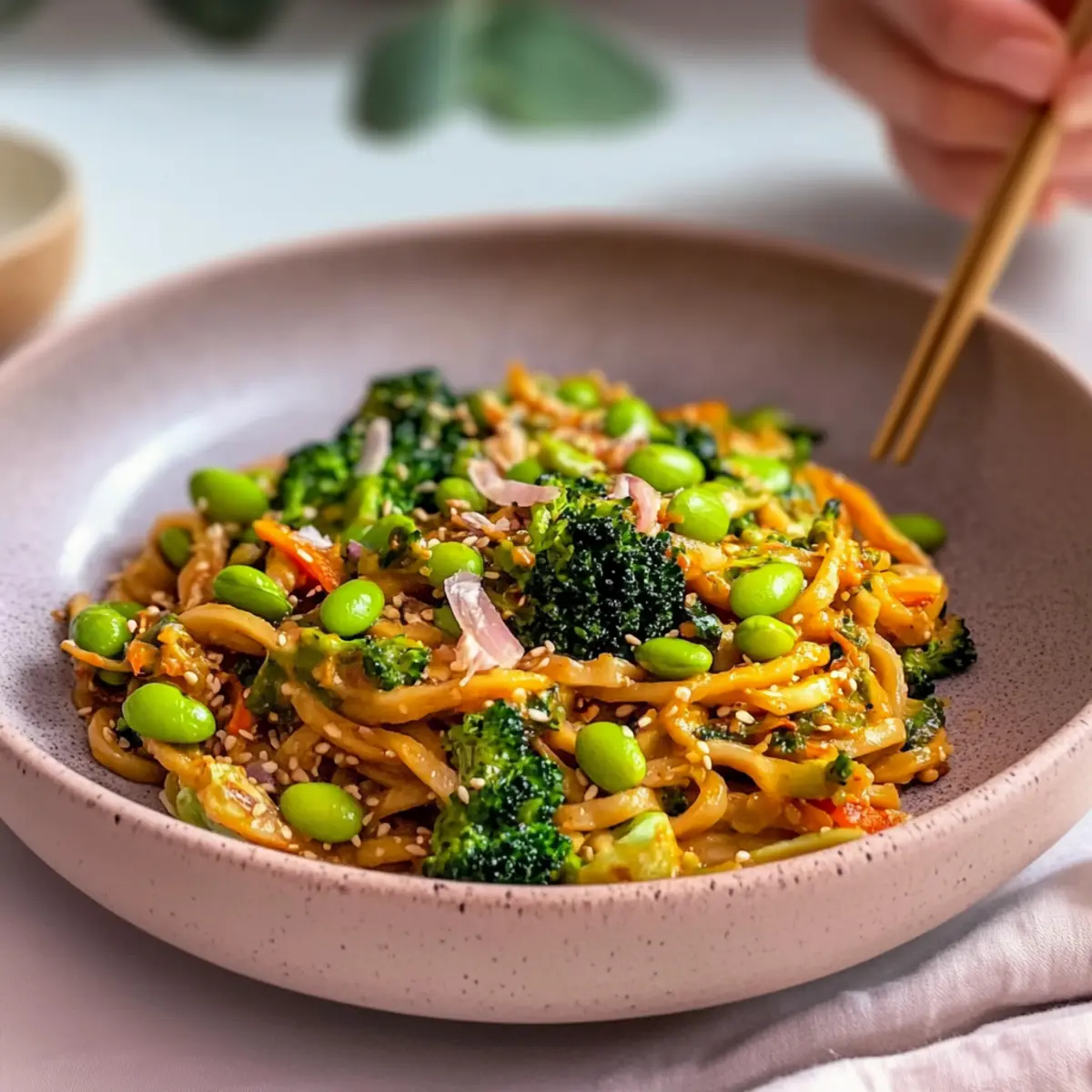
High-Protein Peanut Gochujang Noodles Variations
Feel free to get creative with these ideas to tailor the recipe to your tastes, adding special twists to every bite!
- Nut-Free: Replace smooth peanut butter with tahini for a creamy, nut-free alternative.
- Extra Protein: Boost protein levels by adding cubed firm tofu or tempeh, sautéing until golden and crispy.
- Gluten-Free: Substitute udon noodles with rice noodles for a gluten-free delight without losing flavor or texture.
- Vegetable Twist: Swap broccoli for spinach or kale, using them for a lighter and more delicate version of the dish.
- Flavor Boost: Enhance umami by adding a splash of coconut aminos alongside tamari for a unique twist.
- Heat Level: For spice lovers, increase the amount of gochujang or add fresh chopped chili for an extra kick!
- Crunchy Toppings: Finish with toasted peanuts or sesame seeds for an added crispy texture that complements the dish.
- Citrusy Zing: Incorporate a sprinkle of fresh cilantro or basil right before serving for a burst of freshness.
As you explore these options, why not check out our simple sesame green beans for a complementary side or consider a refreshing Korean cucumber salad that brings a balance to your meal?
How to Store and Freeze High-Protein Peanut Gochujang Noodles
Fridge: Store leftovers in an airtight container for up to 4 days. Ensure the noodles are properly mixed with the sauce to maintain flavor and texture.
Freezer: For longer storage, freeze the noodles in portions in airtight containers. They can be kept frozen for up to 3 months.
Reheating: Thaw overnight in the fridge if frozen. Reheat gently in a pan with a splash of water or cooking oil to revive the creamy consistency of your High-Protein Peanut Gochujang Noodles.
Room Temperature: Avoid leaving leftovers out at room temperature for more than 2 hours to ensure food safety and quality.
What to Serve with Easy High-Protein Peanut Gochujang Noodles
Picture a table set with delightful side dishes that complement the flavor-packed essence of your noodles.
-
Crispy Spring Rolls: These fresh, crunchy bites filled with veggies add a delightful texture contrast, perfect for an appetizer before your main dish.
-
Garlic Edamame: A simple side of sautéed edamame with garlic enhances the protein-rich theme while remaining vibrant and earthy.
-
Refreshing Cucumber Salad: Crisp cucumber slices tossed in rice vinegar and sesame oil offer a refreshing contrast to the heat of the noodles.
-
Roasted Vegetables: Seasonal veggies like carrots and bell peppers, roasted for caramelized sweetness, add warmth and color to your meal.
-
Mango Sticky Rice: For a sweet finish, this Thai dessert balances the spicy noodles with luscious coconut milk and fresh mango flavors.
-
Ginger Lemonade: This zesty drink invigorates the palate, enhancing the meal’s overall experience; it’s refreshing and pairs beautifully with the gochujang’s heat.
-
Green Tea: A calming cup of green tea complements the dish’s flavor while offering health benefits, making it a perfect beverage choice.
-
Homemade Kimchi: Bring some Korean flair to your table! The tangy, fermented crunch of kimchi elevates any meal, pairing wonderfully with your gochujang noodles.
These pairings not only enhance the flavors of your High-Protein Peanut Gochujang Noodles but also create a well-rounded, satisfying dining experience.
Expert Tips for High-Protein Peanut Gochujang Noodles
-
Balance Flavors: Start with a smaller amount of gochujang; you can always add more if desired. This prevents overpowering the dish.
-
Vegetable Prep: To maximize texture and nutrition, chop broccoli and let it sit for about 40 minutes before cooking; this increases beneficial compounds.
-
Noodle Consistency: Reserve enough cooking water from the udon noodles; it helps adjust the sauce’s thickness and enhances cohesion with the noodles.
-
Garnish Choices: Feel free to get creative with toppings. Cilantro or crushed peanuts can add a fresh element or crunch beyond scallions and sesame seeds.
-
Meal Prep Tip: Make a larger batch and store individual portions in airtight containers. Reheat gently to maintain the creamy quality of your High-Protein Peanut Gochujang Noodles.
Make Ahead Options
These Easy High-Protein Peanut Gochujang Noodles are not only delicious but also perfect for meal prep! You can chop the broccoli and shiitake mushrooms up to 24 hours in advance and store them in an airtight container in the refrigerator to maintain their freshness. Additionally, you can prepare the peanut sauce ahead of time (just keep it separate from the noodles to avoid sogginess) and it will stay good for up to 3 days. When you’re ready to serve, simply cook the udon noodles, combine everything in a pan, and warm it gently while tossing to incorporate all the flavors. This way, you’ll have a wholesome meal in no time, just as satisfying as when it’s made fresh!
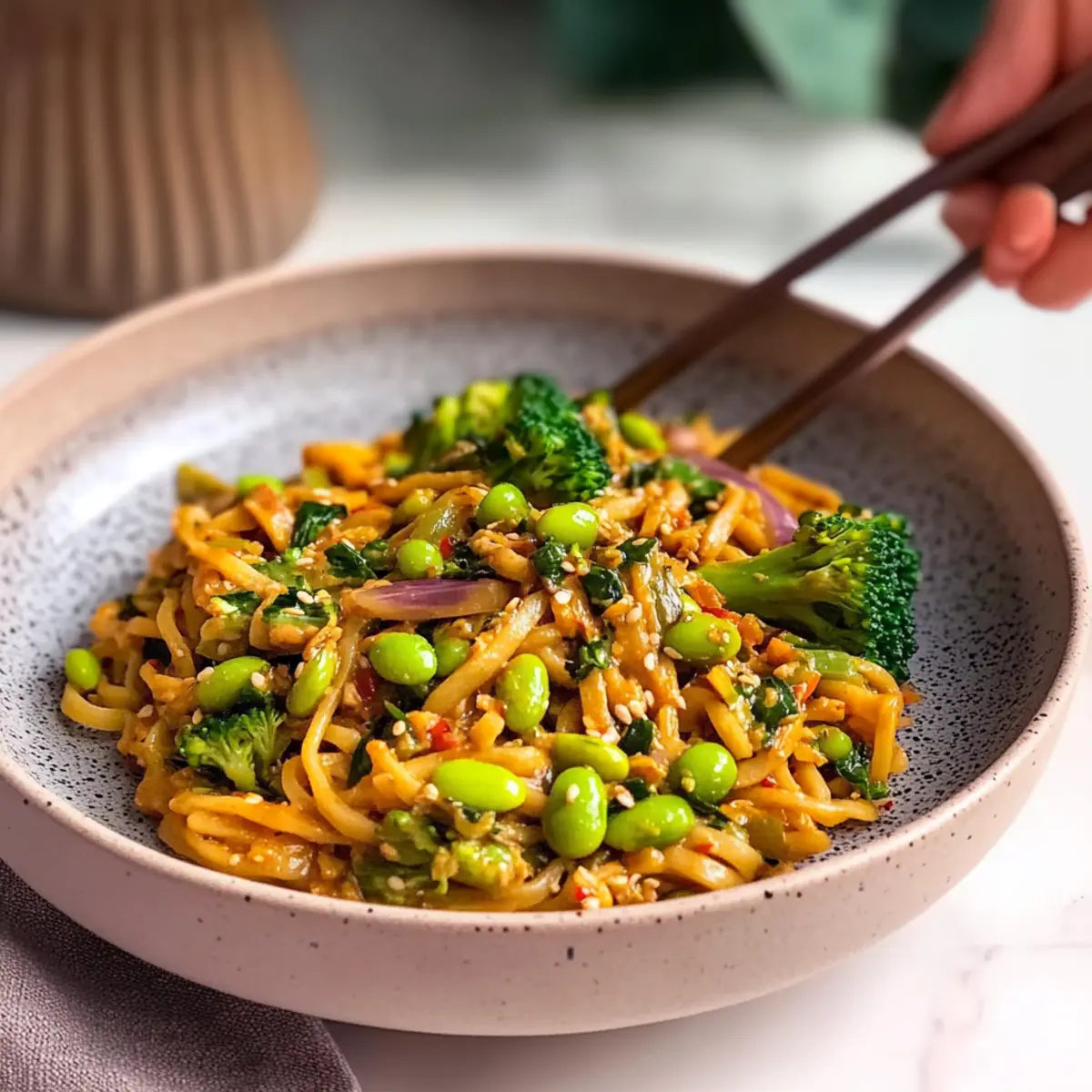
High-Protein Peanut Gochujang Noodles Recipe FAQs
How do I know if my ingredients are ripe or fresh?
Absolutely! For this recipe, choose broccoli with vibrant green florets and firm stems that have no dark spots or wilting. Edamame should be bright green and plump. When selecting shiitake mushrooms, look for ones that are firm and smooth; avoid any that are slimy or have dark spots. Fresh ingredients not only enhance flavor but also ensure the nutritional benefits of your High-Protein Peanut Gochujang Noodles.
What is the best way to store leftover noodles?
Very simple! Store your leftover High-Protein Peanut Gochujang Noodles in an airtight container in the refrigerator for up to 4 days. Make sure they’re well-mixed with the sauce to maintain moisture and flavor. When you’re ready to enjoy them again, just reheat gently in a pan or microwave, adding a splash of water if needed to smooth out the sauce.
Can I freeze these noodles for later?
Absolutely! To freeze, divide the High-Protein Peanut Gochujang Noodles into individual portions and place them into airtight containers or freezer bags. They can be stored in the freezer for up to 3 months. When you’re ready to enjoy them, simply thaw overnight in the fridge and reheat gently. This method helps retain the creamy texture of the sauce!
What should I do if my sauce is too thick?
If you find that your sauce is thicker than desired, don’t worry! Simply incorporate some of the reserved cooking water from the udon noodles a tablespoon at a time until you reach your desired consistency. Stir well to ensure the sauce coats the noodles smoothly without clumping. This technique is particularly helpful when reheating leftovers, as the sauce may thicken after refrigeration.
Are there any dietary considerations for this recipe?
Yes, indeed! If you’re cooking for someone with nut allergies, feel free to substitute the peanut butter with tahini, which provides a similar creaminess without nuts. Additionally, ensure that tamari is marked as gluten-free if you’re catering to gluten sensitivity. Always check ingredient labels for allergens and adjust accordingly to tailor to your needs.
Can I include other vegetables in this dish?
Very much so! This recipe is quite versatile, and you can easily swap out the broccoli for other vegetables like snap peas, bell peppers, or spinach, based on what you have on hand. Just be mindful to adjust your cooking times appropriately to ensure everything stays tender yet delightful. The more veggies, the merrier!
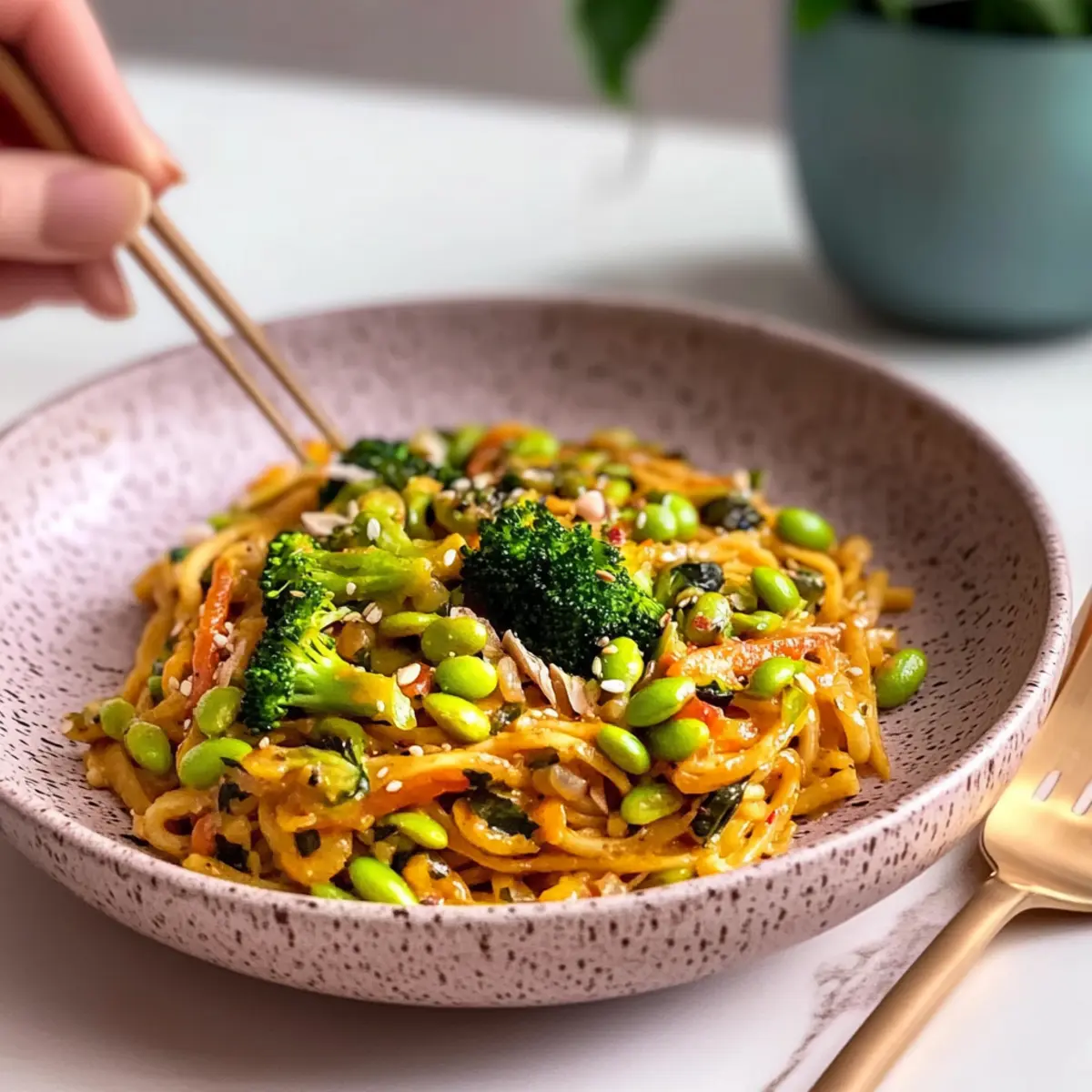
High-Protein Peanut Gochujang Noodles for Cozy Nights
Ingredients
Equipment
Method
- In a pan, heat a drizzle of sesame oil over medium heat. Once hot, add shiitake mushrooms and sauté for about 5 minutes until tender.
- Stir in broccoli florets and frozen shelled edamame into the pan with the sautéed mushrooms. Continue cooking for about 10 minutes.
- Bring a large pot of water to a rolling boil. Add dry udon noodles and cook for 8-10 minutes. Reserve 1/4 cup of the cooking water.
- In a bowl, whisk together peanut butter, gochujang, minced garlic, tamari, rice vinegar, maple syrup, and lime juice. Gradually add reserved noodle cooking water.
- Add the cooked udon noodles to the pan, pour over the sauce and toss everything together for about 2 minutes.
- Remove from heat, serve warm topped with scallions, black sesame seeds, and optional red chili.
Leave a Reply