
The sizzle of fresh ingredients and the rich aroma wafting through the air can instantly transport us to our favorite hibachi restaurant. Today, I’m thrilled to share my quick and flavorful Hibachi Zucchini recipe that brings that iconic dining experience right into your home. In just 20 minutes, you can whip up tender-crisp zucchini sticks with caramelized onions, all drenched in a glossy sesame-soy glaze that elevates any meal. This dish not only makes for a delightful side, but it’s also vegetarian-friendly and gluten-free with a simple swap to tamari. Whether you’re looking to impress your dinner guests or just want to treat yourself, this quick recipe is your ticket to achieving deliciousness without hours in the kitchen. Ready to take your veggies to the next level? Let’s dive into this hibachi-inspired recipe that guarantees satisfaction!
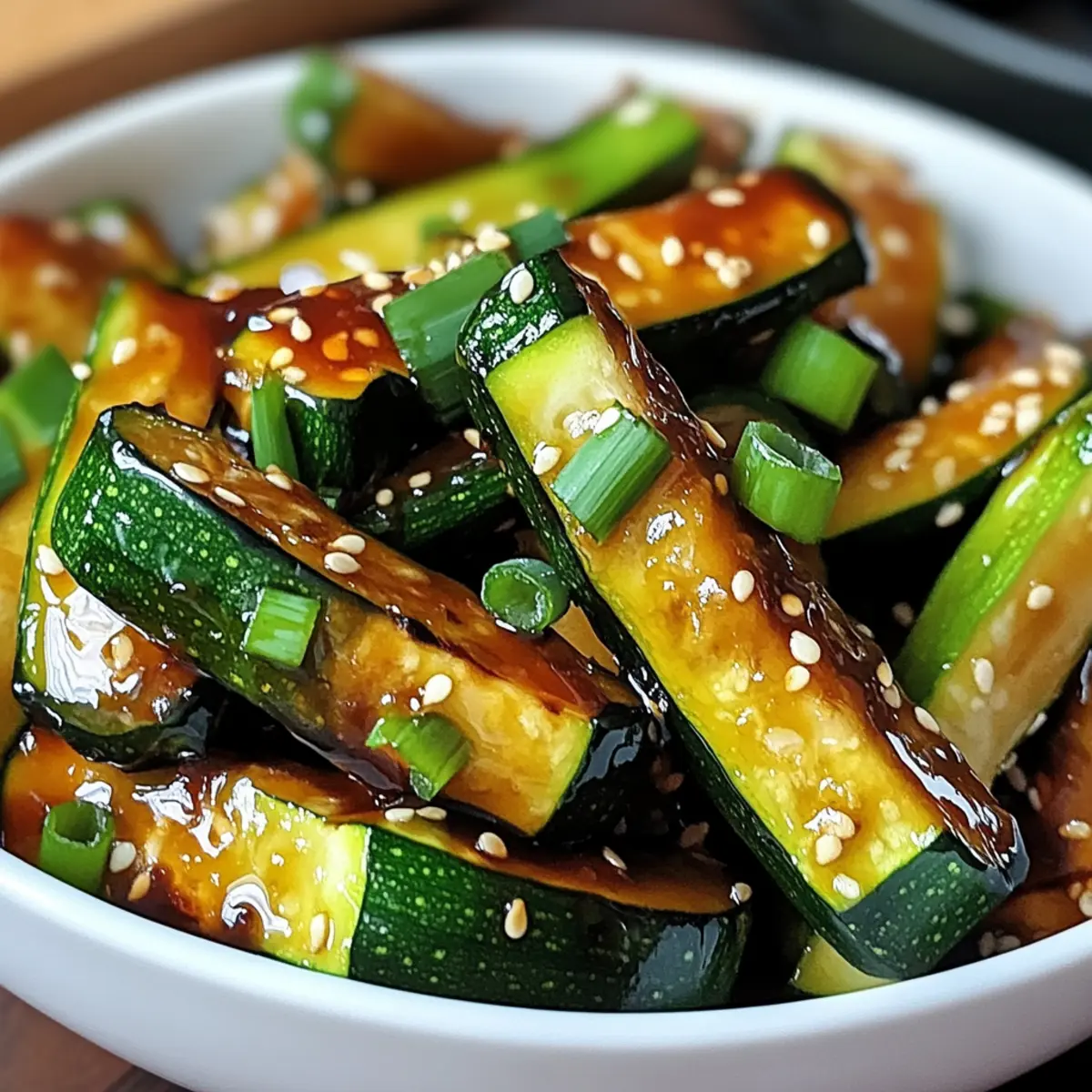
Why is Hibachi Zucchini a Must-Try?
Quick Preparation: In just 20 minutes, you can enjoy this delectable dish, making it an excellent choice for weeknight dinners or last-minute gatherings.
Savory Flavor: The sesame-soy glaze provides a rich, umami depth, perfectly complementing the crisp zucchini and sweet caramelized onions.
Versatile Dish: Not only does it pair beautifully with grilled meats or fried rice, but you can also enjoy it as a standalone vegetarian delight.
Healthier Option: This low-calorie recipe, packed with veggies, is a great way to enjoy comfort food without the guilt.
Crowd-Pleaser: Serve this vibrant dish at your next gathering, and watch it disappear fast—who can resist those tender-crisp zucchini sticks? For more quick and satisfying recipes, be sure to check out our easy vegetable side dishes.
Hibachi Zucchini Ingredients
For the Zucchini
• Zucchini – Tender-crisp texture; you can use either green or yellow zucchini, unpeeled for extra color and nutrients.
• Onion – Adds sweetness and depth; thinly sliced onions work best, or you can substitute with shallots for a milder flavor.
For the Cooking
• Oil – Essential for sautéing; vegetable oil is preferred, but if you’re out, any neutral cooking oil will suffice.
• Butter – Adds richness; you can replace it with vegan butter for a dairy-free option or eliminate it altogether for a lighter dish.
For the Flavor
• Ginger – Provides that fragrant kick; freshly minced ginger is ideal, but you can use powdered ginger in a pinch.
• Garlic – Enhances the aroma and taste; minced garlic gives the best results for depth of flavor.
• Soy Sauce – Adds umami; for a gluten-free Hibachi Zucchini, simply swap in tamari.
• Salt and Pepper – Important for seasoning; adjust these spices to suit your personal taste.
For Garnish
• Scallion Greens – Adds a fresh touch; chop finely for a vibrant garnish that enhances visual appeal.
• Toasted Sesame Seeds – Brings a nutty flavor and delightful texture; sprinkle generously for that authentic hibachi charm.
Step‑by‑Step Instructions for Hibachi Zucchini
Step 1: Prepare the Ingredients
Start by washing and trimming two medium zucchinis, cutting them into sticks of about 4 inches long. Thinly slice one medium onion to complement the zucchini’s flavor. Mince a tablespoon each of fresh ginger and garlic, as these aromatic ingredients will give your Hibachi Zucchini that authentic taste. Gather your soy sauce, oil, and butter, ready to sauté.
Step 2: Heat the Skillet
Heat a large skillet or wok over medium-high heat, adding two tablespoons of vegetable oil and one tablespoon of butter. Allow the butter to melt fully, swirling the pan gently to coat the bottom. You want the oil to shimmer, indicating it’s hot enough for the next steps. This ensures that your veggies will sear beautifully and not steam.
Step 3: Sauté Aromatics
Once the skillet is hot, introduce the minced ginger and garlic into the pan. Sauté for about 30 seconds, stirring constantly, until both are fragrant and golden but not burnt. This step is crucial for building that deep flavor profile in your Hibachi Zucchini. The aroma will fill your kitchen, tempting everyone nearby!
Step 4: Add Zucchini and Onions
Next, add your prepared zucchini sticks and sliced onions to the skillet, spreading them out evenly. Sauté the mixture for about 1 minute, moving the vegetables around frequently. You want them coated in the fragrant oil and starting to soften without losing their crispness. The vibrant green of the zucchini will brighten up your pan.
Step 5: Incorporate the Sauce
Stir in three tablespoons of soy sauce, a pinch of salt, and freshly cracked black pepper to taste. Cook this mixture uncovered for 6–8 minutes, stirring often. Watch for the zucchini to take on a slight char and the onions to caramelize—this is the ideal visual cue that your Hibachi Zucchini is coming together beautifully!
Step 6: Finish and Garnish
Once the vegetables are cooked, remove the skillet from heat. Sprinkle chopped scallion greens and toasted sesame seeds over the top for a fresh, colorful finish. Serve your Hibachi Zucchini hot, allowing its glossy, flavorful coating to shine on the plate. This vibrant dish is now ready to elevate any meal!
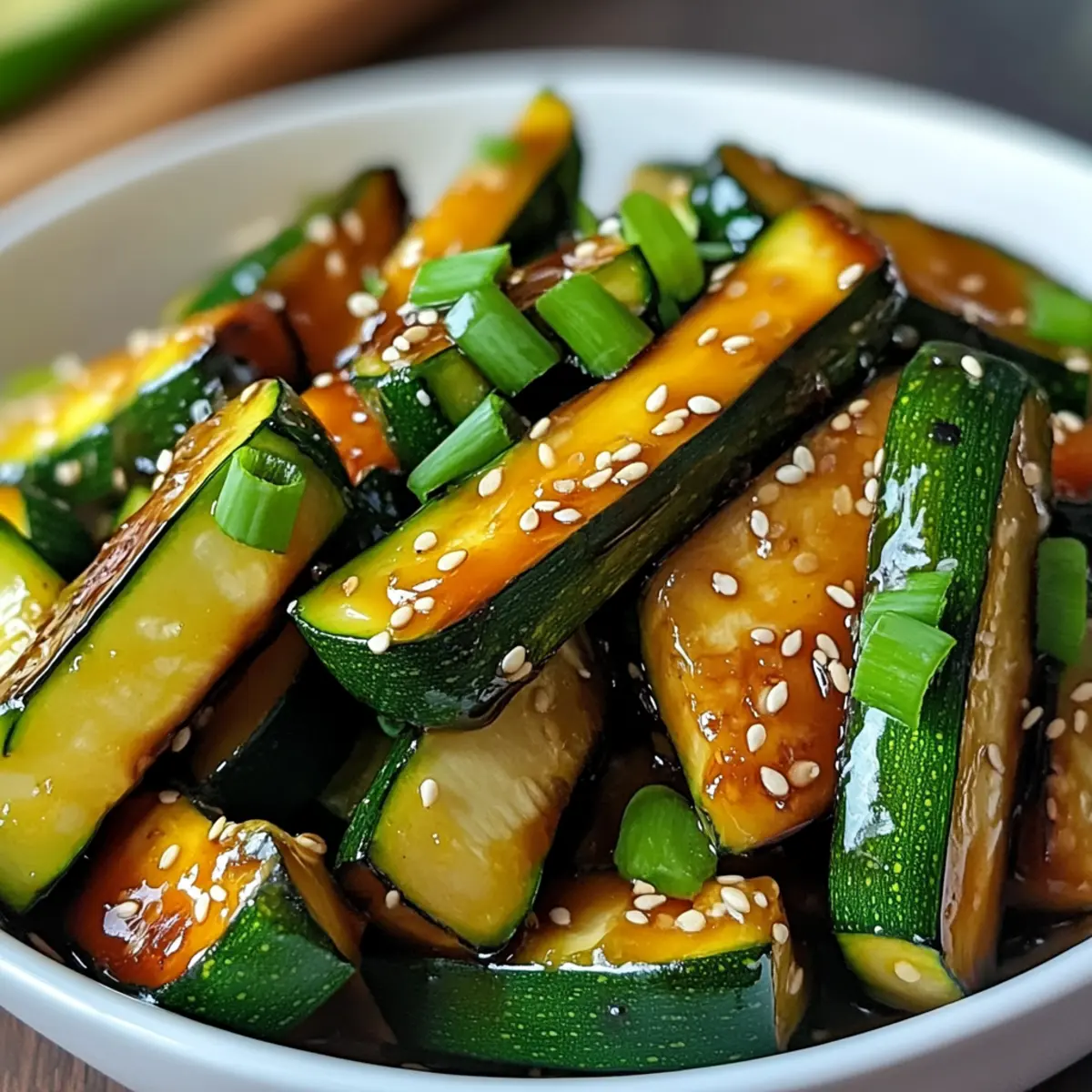
What to Serve with Quick and Flavorful Hibachi Zucchini
Creating a well-rounded meal is easy when you have delicious sides to complement your dishes.
- Grilled Chicken Skewers: Juicy and smoky, these skewers pair perfectly with the umami-rich zucchini for a delightful contrast of flavors.
- Fried Rice: A classic side that adds heartiness; the fluffy rice absorbs the sesame-soy glaze beautifully, creating a complete experience. Enjoy it with your Hibachi Zucchini for a fun twist on a hibachi classic.
- Teriyaki Salmon: The sweet and bold flavors of teriyaki glaze balance the savory zucchini, making for a deliciously harmonious meal.
- Crispy Edamame: Lightly salted and crunchy, this appetizer complements the zucchini’s texture; it’s a satisfying start to any meal.
- Coconut Rice: The creamy coconut notes heighten the Asian-inspired flavors of the zucchini, making each bite a tropical escape.
- Miso Soup: Warm and soothing, this soup adds a comforting element, enhancing the overall dining experience when paired with the sake-glazed side.
- Cucumber Salad: Refreshing and crisp, a light cucumber salad with sesame dressing provides a wonderful crunchy contrast to the tender zucchini.
- Mango Sorbet: For dessert, a scoop of this fruity delight offers a refreshing finish, combining sweetness with a hint of tartness after the savory meal.
Storage Tips for Hibachi Zucchini
Fridge: Store your Hibachi Zucchini in an airtight container for up to 3 days. This helps retain its flavor and texture while keeping it fresh.
Freezer: Although best enjoyed fresh, you can freeze leftover Hibachi Zucchini in a freezer-safe container for up to 2 months. Thaw overnight in the fridge before reheating.
Reheating: To revive the dish, sauté on medium-high heat for a few minutes in a skillet, adding a splash of soy sauce to enhance the flavor.
Freshness Reminder: For the best taste, enjoy your Hibachi Zucchini as soon as possible after preparation, as the crisp texture diminishes over time.
Make Ahead Options
These Hibachi Zucchini are perfect for busy cooks looking to save time during the week! You can slice the zucchini and onions up to 24 hours in advance, storing them in an airtight container in the refrigerator to maintain their freshness. Additionally, you can mince the ginger and garlic ahead of time for an even quicker meal prep. When you’re ready to serve, simply heat the oil and butter as instructed, add the prepped ingredients, and sauté as usual. This way, you’ll achieve that delicious, tender-crisp quality without the last-minute rush, turning a delightful dish into a convenient side for your busy nights!
Expert Tips for Hibachi Zucchini
-
Pan Choice: Use a heavy-bottomed skillet or wok to retain heat effectively and achieve a nice char on your zucchini.
-
Avoid Overcrowding: Cook in batches if needed to prevent steaming; crowding the pan can compromise the desired crisp texture of the Hibachi Zucchini.
-
Heat Management: Keep your skillet hot! High heat ensures the zucchini cooks quickly, preserving its firmness and vibrant color.
-
Taste as You Go: Adjust salt and pepper during cooking for a perfect flavor balance. Remember, the soy sauce adds saltiness too!
-
Garnish Generously: Don’t skimp on the scallion greens and sesame seeds—they add freshness and a delightful crunch to your Hibachi Zucchini.
Hibachi Zucchini Variations & Substitutions
Feel free to get creative with this recipe and cater it to your taste buds for an even more delightful experience!
-
Dairy-Free: Substitute butter with vegan butter or skip it entirely; the dish will still be rich and flavorful.
The zesty notes of ginger and garlic will shine, ensuring you won’t miss the dairy at all. -
Protein Boost: Add grilled shrimp or diced chicken while cooking for a heartier side dish.
These additions will infuse your Hibachi Zucchini with even more savory goodness, creating a robust and filling meal! -
Veggie Swap: Replace zucchini with bell peppers, asparagus, or eggplant for a different flavor profile.
Each veggie brings its own unique taste and texture, allowing you to experience this dish in new and exciting ways. -
Flavor Enhancer: Mix in a splash of rice vinegar or a squeeze of fresh lemon juice for added brightness.
The tangy twist will elevate your zucchini, making it even more refreshing and memorable at the table. -
Sweet Touch: Add a sprinkle of brown sugar or honey to the sauce for a hint of sweetness.
This caramelization will create a delightful contrast with the savory soy sauce, taking your flavor profile to the next level. -
Spicy Heat: Toss in some red pepper flakes or a drizzle of sriracha for a spicy kick.
The zest from hot seasoning will tantalize your palate, creating the perfect balance with the other ingredients. -
Rice Pairing: Serve with coconut rice or garlic fried rice for a satisfying and complete meal.
These flavorful rice options will complement the Hibachi Zucchini beautifully while making dinner feel extra special! -
Noodle Addition: Mix in cooked soba noodles or rice noodles for a satisfying, hearty dish.
The noodles will soak up that savory sesame-soy glaze, enticing your senses with every delicious bite.
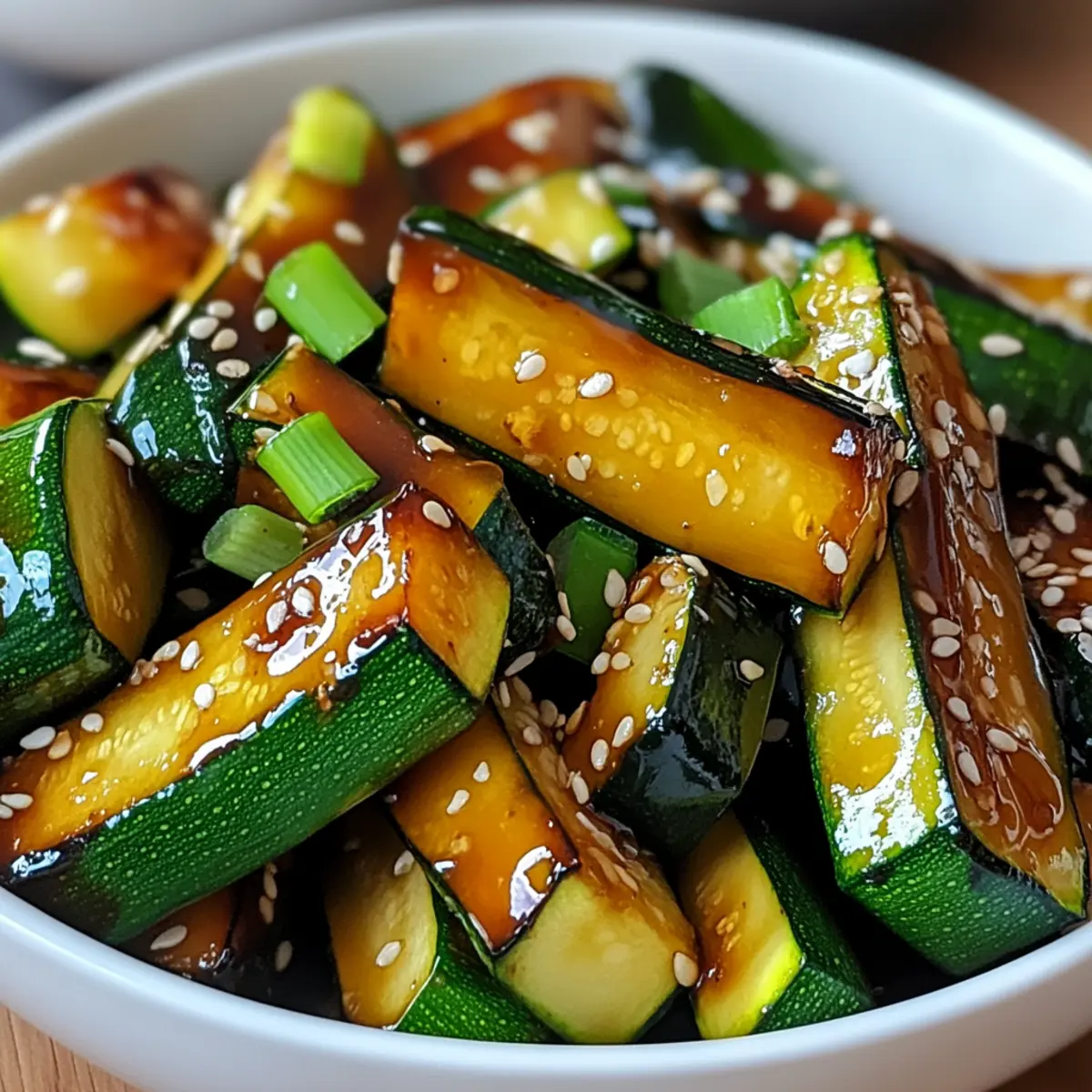
Hibachi Zucchini Recipe FAQs
How do I select the best zucchini for this recipe?
Absolutely! When choosing zucchini, look for firm, unblemished ones with a vibrant color. Avoid any that have dark spots all over, as they might be overripe. Smaller zucchinis tend to be sweeter and more tender, making them perfect for this dish.
Can I store leftover Hibachi Zucchini?
Very much! Store your Hibachi Zucchini in an airtight container in the refrigerator for up to 3 days. When ready to enjoy again, quickly reheat it in a pan over medium heat to revive its texture and flavor. Adding a splash of soy sauce can enhance its taste during reheating.
Can I freeze Hibachi Zucchini?
Absolutely! To freeze, allow the leftovers to cool completely. Place them in a freezer-safe container or zip-top bag, ensuring you remove as much air as possible. They can be stored for up to 2 months. For the best results, thaw overnight in the fridge and sauté for a few minutes before serving to regain that delightful crispness.
What if my zucchini turns mushy while cooking?
Oh no! If that happens, it’s often due to cooking at too low of a heat or overcrowding the pan. Always use high heat and give the zucchini room in the pan to sear and caramelize. If you find they’ve already turned mushy, cooking them for a shorter time next time can help preserve their firmness. Avoid using a lid, as that traps steam, resulting in softer veggies.
Is this recipe suitable for special diets, like gluten-free?
Very! This Hibachi Zucchini recipe is naturally vegetarian and can easily be made gluten-free by using tamari instead of traditional soy sauce. It’s a delicious option for anyone looking to enjoy a healthy dish without sacrificing flavor. Always check the labels on your ingredients to ensure they meet your dietary needs.

Savory Hibachi Zucchini: Quick Side Dish for Any Meal
Ingredients
Equipment
Method
- Wash and trim the zucchinis, cutting them into sticks about 4 inches long. Thinly slice the onion, mince the ginger and garlic, and gather soy sauce, oil, and butter.
- Heat the skillet over medium-high heat, adding vegetable oil and butter. Melt the butter fully.
- Introduce minced ginger and garlic into the pan and sauté for about 30 seconds until fragrant.
- Add zucchini sticks and sliced onions to the skillet, sautéing for about 1 minute.
- Stir in soy sauce, salt, and pepper, cooking uncovered for 6–8 minutes until zucchini is slightly charred.
- Remove from heat, sprinkle with scallion greens and sesame seeds, and serve hot.
Leave a Reply